Email Replies: The New Key to Boosting Deliverability
The following is an A.I. summary based off of a recent article put out by Ontraport.com. To read the full article please scan the QR code below.
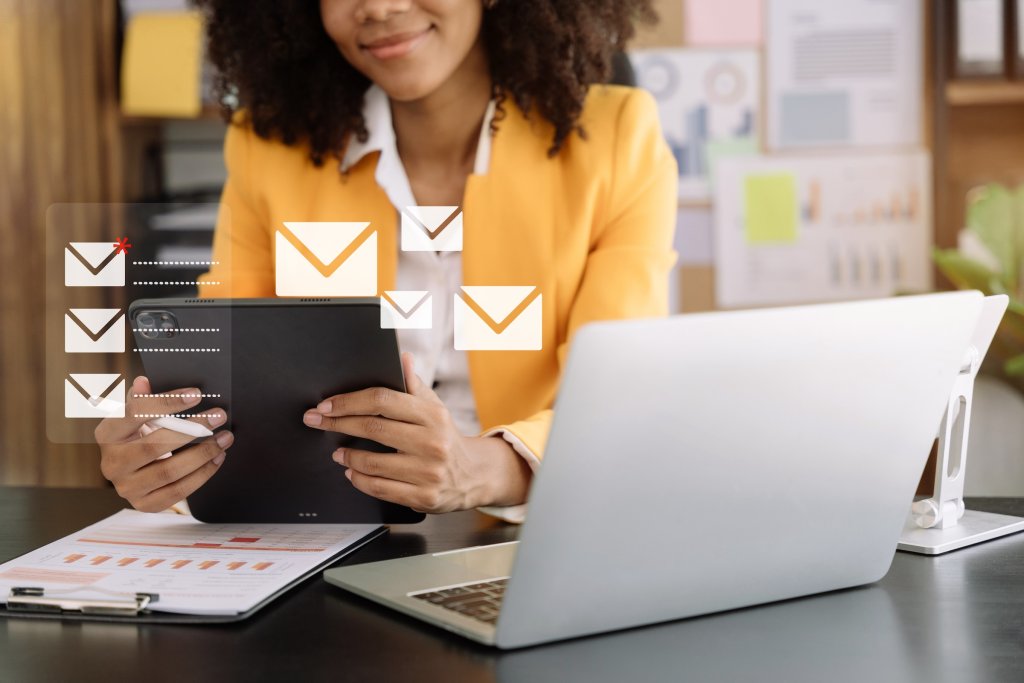
In the ever-evolving world of email marketing, a subtle yet powerful shift is taking place. While click-through rates (CTRs) have long been the gold standard for measuring engagement, a new metric is emerging as a game-changer: email replies. According to a recent article from Ontraport, encouraging recipients to hit “reply” rather than just clicking links could be the simple tweak that skyrockets your email deliverability.
Why Replies Matter More Than Ever
Email deliverability—the ability of your messages to land in the inbox rather than the spam folder—hinges on how mailbox providers like Gmail, Yahoo, and Outlook perceive your sender reputation. These providers use sophisticated algorithms to assess engagement, and historically, clicks on links have been a strong signal of interest. However, as spam filters grow smarter, they’re placing greater emphasis on two-way interaction. A reply to an email indicates a higher level of engagement, signaling to providers that your message is not only wanted but valued enough to warrant a response.
The Ontraport article highlights that this shift aligns with how people naturally interact online today. With inboxes flooded daily, a reply stands out as a deliberate action—far more meaningful than a passive click. This deeper engagement can improve your sender reputation, increasing the likelihood that future emails reach the inbox.
The Deliverability Boost
The logic is straightforward: mailbox providers want to prioritize emails that foster genuine connections. When recipients reply, it tells the provider, “This sender is legitimate, and their content resonates.” Over time, this can lower your chances of being flagged as spam, even if your click-through rates remain steady. Ontraport emphasizes that this tactic doesn’t just help with deliverability—it also builds stronger relationships with your audience, turning one-way broadcasts into conversations.
How to Encourage Replies
So, how do you pivot from chasing clicks to sparking replies? The article suggests a few practical strategies:
- Ask Engaging Questions: End your emails with a question that invites a response. For example, “What’s your biggest challenge with [topic]?” or “How do you usually tackle [problem]?” Make it personal and relevant to your audience.
- Create a Conversational Tone: Ditch the formal, salesy language. Write like you’re chatting with a friend—warm, approachable, and authentic. This lowers the barrier to replying.
- Offer Incentives: Encourage responses by offering something in return, like a quick tip, a resource, or even just a promise to reply back. People are more likely to engage if they feel there’s value in it for them.
- Keep It Simple: Don’t overcomplicate the ask. A single, clear call-to-action (CTA) like “Hit reply and let me know your thoughts!” can work wonders.
Clicks Still Matter—But Replies Reign Supreme
This isn’t to say click-throughs are obsolete. Links to your website, product pages, or blog posts remain vital for driving traffic and conversions. However, the article argues that replies offer a dual benefit: they enhance deliverability while fostering a deeper connection with your subscribers. A balanced approach—combining clickable content with reply-driven CTAs—could be the sweet spot for modern email campaigns.
The Bottom Line
As email marketing adapts to stricter deliverability standards, relying solely on click-throughs may no longer cut it. Ontraport’s insight reveals that replies are becoming the new go-to move for savvy marketers. By prioritizing two-way communication, you’re not just gaming the algorithm—you’re building trust and loyalty with your audience. So, next time you craft an email, consider this simple tweak: ask for a reply. It might just be the key to unlocking your inbox success.
This A.I. summary is based off of a recent article put out by Ontraport.com. To read the full article please scan the QR code below.
