Uplifting Creative Communities: L.A.R.A.C.’s Mission, Challenges, and Impact
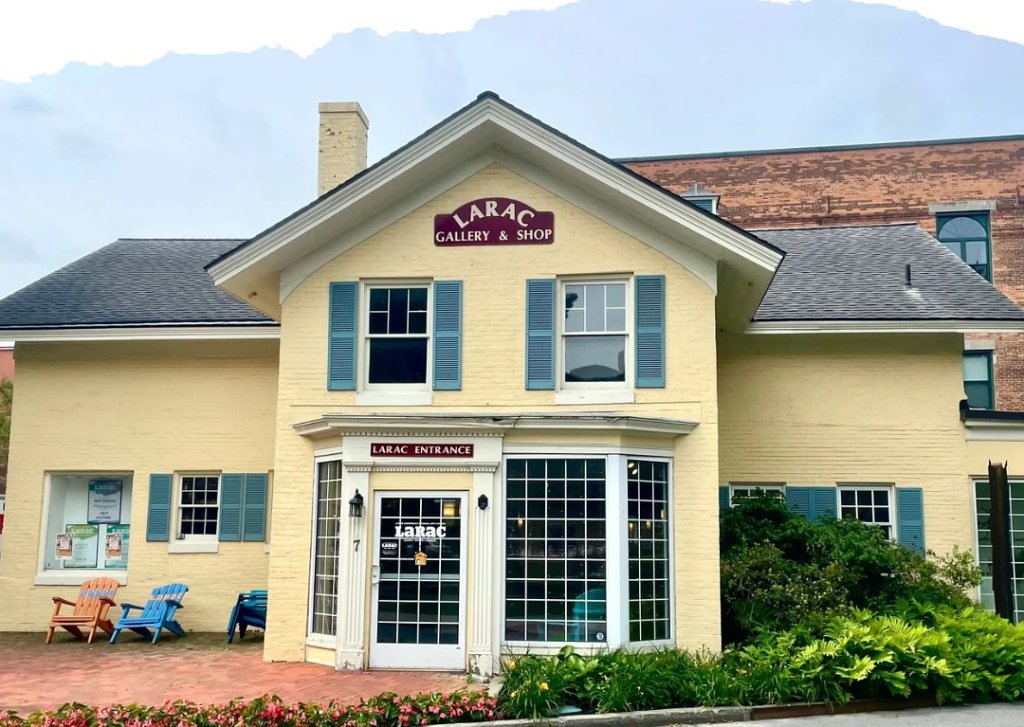
Nestled in downtown Glens Falls, New York, the Lower Adirondack Regional Arts Council (L.A.R.A.C.) has been a cornerstone of the region’s creative landscape for over 50 years. Under the leadership of Executive Director Philip Casabona, this nonprofit organization champions artists, fosters community engagement, and enriches the cultural fabric of the Lower Adirondack region. Through its vibrant events, gallery exhibitions, and grant programs, L.A.R.A.C. creates opportunities for artistic expression while navigating significant challenges to sustain its mission. This article delves into L.A.R.A.C.’s work, focusing on its events, fundraising efforts, and the obstacles it faces in keeping the arts accessible and thriving.
A Legacy of Events: The June Arts Festival and More
L.A.R.A.C.’s flagship event, the June Arts Festival, marks its 54th year in 2025, a testament to its enduring appeal. What began in 1972 as a small gathering of artists in City Park has evolved into one of the region’s premier cultural events, attracting over 15,000 visitors annually with ambitions to reach 20,000–22,000 in coming years. Spanning City Park and adjacent streets, the festival showcases 160–170 artists from across the United States, offering a rich tapestry of creative works—from fine art paintings and ceramics to woodworking, jewelry, metal sculptures, and artisanal foods like jams and jellies. Food trucks, live music on two stages, and family-friendly activities such as face painting create an inclusive, festive atmosphere.
“The artists are our boss,” Casabona emphasizes, underscoring the festival’s reliance on community support. “Without patrons, we wouldn’t have a building or jobs.” L.A.R.A.C. keeps the event free to the public, prioritizing accessibility while striving to balance growth with its original charm. The festival features returning artists—some participating for over 40 years—alongside 30 new juried artists each year, ensuring a fresh yet familiar experience.
Beyond June, L.A.R.A.C. hosts a smaller December Festival at the Queensbury Hotel, featuring around 60 artists in an indoor, holiday-themed market. This event complements the summer festival, offering a cozy setting for art lovers to explore and shop. Year-round, L.A.R.A.C.’s carriage house on Lapham Place serves as a cultural hub, hosting seven gallery exhibitions annually. These shows, ranging from large group displays to solo or duo artist showcases, highlight diverse works, from monotypes to fabric sculptures. For six weeks at year’s end, the gallery transforms into a holiday shop, resembling a mini festival market. All exhibitions are free, reinforcing L.A.R.A.C.’s commitment to making art attainable for everyone.
Fundraising: Fueling a Mission-Driven Organization
As a nonprofit, L.A.R.A.C. depends on a multifaceted fundraising strategy to sustain its operations, a task Casabona describes as both essential and daunting. The June Arts Festival is the organization’s primary fundraiser, generating $60,000–$70,000 annually, while the December Festival contributes roughly $20,000. These funds support the upkeep of the carriage house, purchased 29 years ago, and cover salaries for L.A.R.A.C.’s lean staff—currently just two and a half employees.
Grants play a critical role, particularly from the New York State Council on the Arts (NYSCA), which enables L.A.R.A.C. to distribute $100,000 each year to artists and organizations in Warren and Washington Counties. However, state funding has been shrinking, with L.A.R.A.C. receiving slightly less this year due to increased competition for a fixed pool of resources. “We’re very appreciative for everything we get,” Casabona notes, highlighting the $30,000 allocated to administer the grant program, though it falls short of covering all operational needs.
To diversify its revenue, L.A.R.A.C. secures local grants, such as $20,000 from Warren County’s occupancy tax to boost festival marketing, allowing more festival earnings to support general operations. The organization earns a 35% commission on sales in its gallery and shop, which represents over 80 local and regional artists year-round. Business sponsorships, memberships, and donations provide additional support, but Casabona identifies operating capital as the organization’s biggest challenge. “It’s 100% our greatest hurdle,” he says, noting the high costs of running a nonprofit despite its mission-driven focus.
In response, L.A.R.A.C. is launching the L.A.R.A.C. Legacy Donor Initiative, a new effort to attract high-level donors—individuals, artists, and institutions—who align with its vision. “They can see their donation implemented immediately but also invested for long-term financial stability,” Casabona explains. This initiative reflects L.A.R.A.C.’s forward-thinking approach to securing its future amid economic pressures that limit disposable income for non-essentials like art.
Challenges: Navigating a Complex Landscape
L.A.R.A.C. faces several challenges in fulfilling its mission. The perception of art as a luxury rather than a necessity poses a significant barrier, particularly in an economy where rising costs for essentials like food strain budgets. “Not everybody can afford art,” Casabona acknowledges, recalling his own sacrifices as a young art enthusiast. This mindset makes it difficult to build consistent support, especially among younger generations prioritizing immediate needs.
The digital age presents another hurdle. While the internet connects artists with global audiences, it also oversaturates the market, complicating L.A.R.A.C.’s efforts to stand out. “There are a lot of artists out there,” Casabona says, emphasizing the need for strategic curation to maintain quality and appeal. For aspiring artists, breaking into the professional scene is as daunting as becoming an athlete, requiring resilience and opportunity. L.A.R.A.C. addresses this by offering platforms like its triennial college show, which showcases student artists from colleges within 120 miles, encouraging them to persevere while keeping creativity fun.
Staffing constraints exacerbate these challenges. With a small team, Casabona juggles roles as Executive Director, Festival Coordinator, and Gallery Curator. “I wake up every morning and figure out where to pivot,” he says, acknowledging the mental strain of multitasking. L.A.R.A.C. aims to hire a full-time staff member next year, but funding remains a limiting factor.
Grant applications, while vital, are labor-intensive and come with strict requirements. “You’re applying for a project that’s feasible,” Casabona explains, noting that grants must align with L.A.R.A.C.’s mission and capacity to avoid creating unmanageable work. Local grants, such as those from the Tuba Family Foundation or for building signage, are more accessible, but larger federal or state grants often have prohibitive conditions for a small operation like L.A.R.A.C.
A Cultural and Economic Catalyst
Despite these obstacles, L.A.R.A.C.’s impact resonates deeply. The June Arts Festival drives significant economic activity, benefiting downtown Glens Falls’ 25 restaurants and hotels during the city’s busiest weekend. “It’s the biggest event for economic impact,” Casabona says, citing its role in drawing thousands of visitors who support local businesses. This economic boost reinforces Glens Falls’ transformation from a quiet bedroom community to a vibrant cultural destination.
Culturally, L.A.R.A.C. fosters connection and pride. Its free galleries and festivals invite everyone to engage with art, whether by purchasing a unique piece or simply enjoying the experience. “Everybody is a creator,” Casabona asserts, highlighting art’s role in human connection and personal fulfillment. By supporting both established and emerging artists, L.A.R.A.C. nurtures a thriving creative ecosystem.
Looking ahead, L.A.R.A.C. remains focused on sustainability—financially, culturally, and communally. The L.A.R.A.C. Legacy Donor Initiative, ongoing grant efforts, and strategic expansion of its programs signal a commitment to resilience. For Casabona, the mission is personal: “I value what we’re doing. I think we’re making a very positive impact.” For the thousands who visit City Park each June or step into the yellow carriage house year-round, L.A.R.A.C. is more than an arts council—it’s a celebration of creativity that uplifts an entire region.