

Composting in Glens Falls: Fight Climate Change Locally
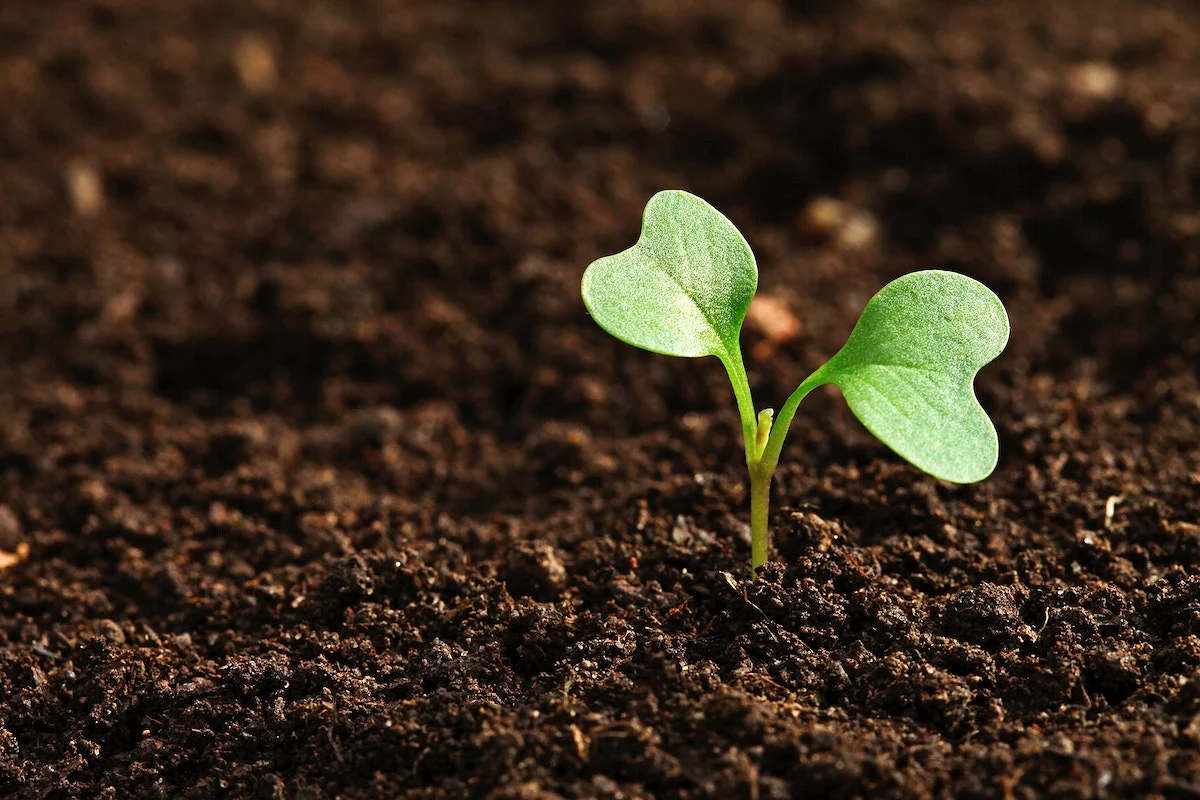
Composting is one of the most simple yet impactful ways to combat climate change in any community. When food scraps are composted rather than disposed of in landfills, greenhouse gas production, in the form of methane and carbon dioxide, is drastically decreased and otherwise wasted energy is renewed. A few opportunities to easily compost already exist in Glens Falls, and more are coming soon.
Greenhouse gases are the main cause of the change in climate that the world is facing today. Because of the constant emissions of these gases, a thick, gaseous blanket is developing in our troposphere and preventing heat waves from escaping the atmosphere, leading to an increase in temperatures and more unpredictable weather. Two of the most abundant gases contributing to this gaseous blanket are methane (CH₄) and carbon dioxide (CO₂). Composting can prevent the emissions of both of these gases, contributing to a significant decrease in the thickening of this blanket.
In terms of the reduction of methane emissions, it’s important to consider how food normally decomposes: in landfills. When food scraps are piled into mounds of plastic, furniture, and other types of waste that households send to landfills by the ton every day, they do not have access to oxygen, meaning they decompose anaerobically. When food scraps decompose anaerobically, they naturally release methane—tons of it. In fact, the EPA recently determined that methane produced by food scraps in landfills accounts for about 58% of the methane produced worldwide, meaning that our lack of composting is directly responsible for more than half of the emissions of one of the most dangerous greenhouse gases. We can stop this! Composting is so simple and allows all food to decompose aerobically, with oxygen, while also creating extremely fertile soil.
After composting sites process the food scraps they receive, they are left with healthy soil full of microbiomes, minerals, and nutrients. This soil is often donated or sold to local farmers or kept at the site and used to grow more food and plants. These plants, through the process of photosynthesis, absorb the excess carbon dioxide that we emit into the atmosphere every day through the burning of fossil fuels for our electricity, heat, and transportation. NASA predicts that plants are responsible for absorbing about 55% of human-produced CO₂ by undergoing a process that also gives us food.
Of course, plants can be grown without the use of soil made from composting. Fertile soil is naturally available; however, not permanently. When plants are grown in soil, either to be sold and consumed by people or to be used to feed farm animals in order to produce meat and animal products, nutrients from the soil are used. Soil must be nitrogen-rich and full of minerals and nutrients in order to yield any successful crop, and these nutrients are not always present in soil. When plants are repeatedly grown in the same soil for seasons on end, the soil becomes nutrient-depleted and unhealthy, unable to produce any more crops. This results in the desertification, or rendering of soil infertile, of about four football fields’ worth of land every second worldwide, according to the United Nations. Needless to say, this is not sustainable. Consuming energy from the earth and never returning any energy back will not work forever. The earth’s resources are finite. Something has to change.
Composting, among other benefits, provides a solution to this broken cycle of resources. When food waste is composted and turned into fertile soil, the energy consumed in order to make the food (from the sunlight used to grow the plants, the food used to keep the animals alive, the water used for growth, etc.) is given back to the earth. Instead of the path of all this energy ending in a landfill, it can continue on to power more energy by fertilizing future crops. Composting is capable of creating a fully sustainable food and energy cycle, whereas today we really only have a food and energy path… that ends.
As you can see, composting has numerous benefits. It can prevent the emissions of greenhouse gases such as methane and carbon dioxide into the atmosphere, it can provide soil and nutrients for more food to grow, and it can create a sustainable cycle of energy. So, how can you utilize composting in Glens Falls? Well, the Farmers Market on South Street collects food scraps every Saturday from 8 a.m. to 12 p.m., and it’s very easy to collect your household’s food scraps in a small bucket and bring them then! In addition to this, a composting pilot program led by Warren County Soil and Water is set to begin before the end of 2026. People will be able to sign up to bring their food waste to a local drop-off site, where it will be picked up and brought to a composting facility that will process their food and turn it into healthy soil.
Composting is an incredibly simple and efficient way to improve the natural environment around us, and it’s becoming more and more accessible in our community. Please consider composting today!