

Emily Dumont Says Pelvic Floor Issues Shouldn’t Be Considered Normal
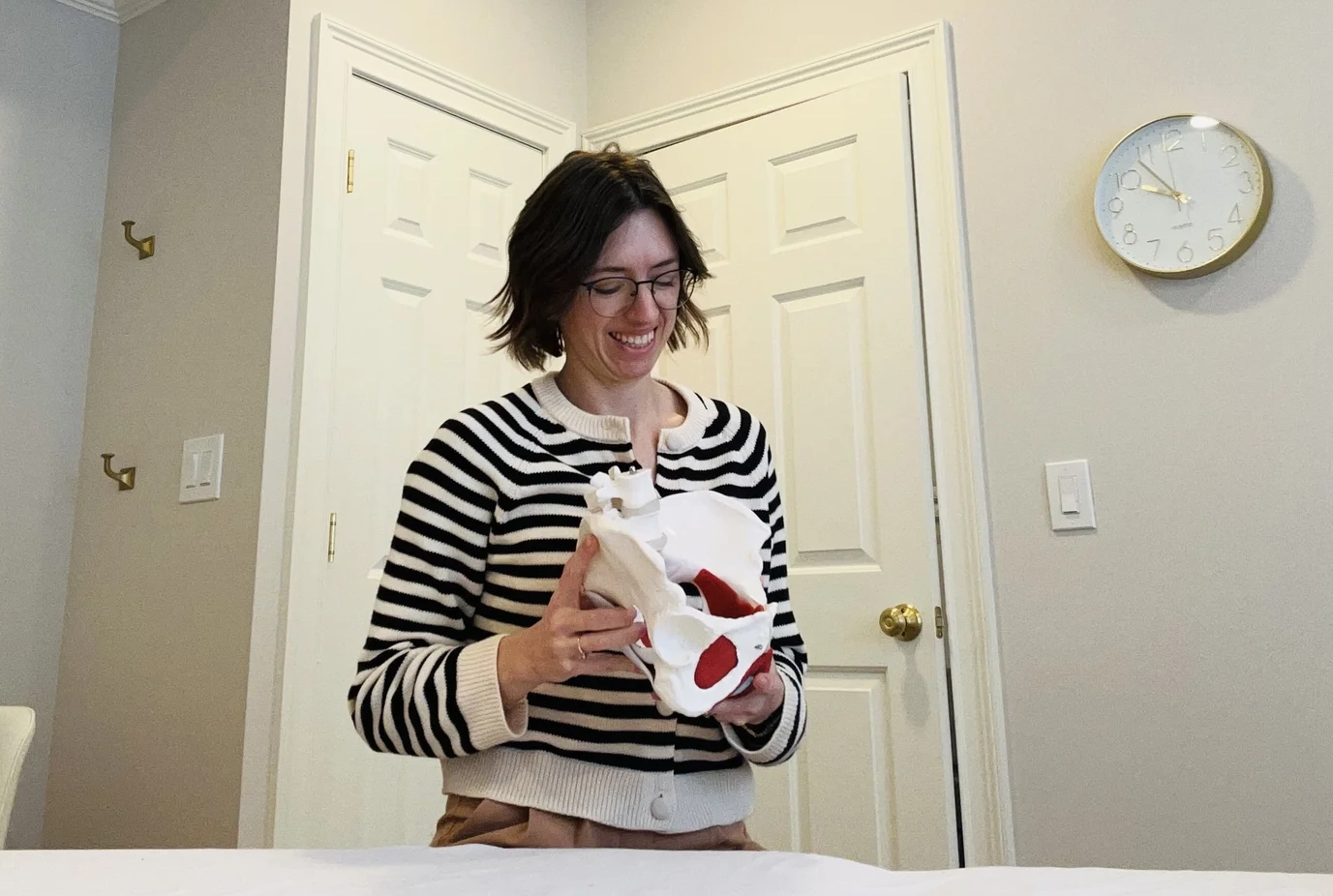
For many people, urinary leakage, pelvic pain, or discomfort after childbirth are treated as an inevitable part of life. But Emily Dumont, Doctor of Physical Therapy and owner of Poppy Physical Therapy in Saratoga Springs, NY, says those symptoms are often signs of treatable pelvic floor dysfunction—not something people simply have to live with.
Through her private practice, Dumont is working to educate patients that pelvic floor therapy can address issues affecting both women and men while giving them the time and individualized care they may not receive in larger healthcare systems.
Why Emily Dumont Started Poppy Physical Therapy
Dumont has been a physical therapist for 14 years and transitioned into pelvic floor therapy more than five years ago after experiencing pelvic floor issues herself following the birth of her son. After receiving treatment, she joined the clinic where she was a patient, trained under a therapist with two decades of experience, and eventually decided to open Poppy Physical Therapy in Saratoga Springs, NY.
Her decision to start her own practice was driven by a desire to provide more comprehensive care than she felt was possible in a traditional hospital setting.
“There are so many restrictions when you’re working inside of someone else’s practice,” Dumont said. “We would normally get 20 to 30 minutes with a patient, which I just didn’t feel was enough time, especially with pelvic floor therapy.”
She explained that shorter appointments often make it difficult to uncover the true source of a patient’s symptoms. Rather than focusing only on where someone experiences pain or dysfunction, Dumont prefers to evaluate how the entire body works together.
“There’s no way to assess someone’s foot, knee, hips, low back, middle back, neck… It takes time to really do thorough assessments of all that to really determine what is causing this issue.”
Pelvic Floor Symptoms People Shouldn’t Ignore
While pelvic floor therapy is commonly associated with pregnancy and postpartum recovery, Dumont emphasized that pelvic floor dysfunction affects far more than new mothers.
She says urinary leakage while laughing, coughing, sneezing, or running should never be considered normal. Other symptoms include urinary urgency, frequent bathroom trips, constipation, pelvic pain, pain during sex, prolapse symptoms, hip pain, lower back pain, and even erectile dysfunction in men.
“Any form of leaking or any form of urinary incontinence is something that we don’t want,” she said. “Whether it’s laughing, sneezing, coughing, running, all of it is not okay.”
Dumont believes increased awareness through social media has encouraged more people to seek treatment, but misconceptions remain.
“I think people are just becoming more vocal and just not being okay with the symptoms that they’re experiencing,” she said.
She also pointed to research showing that pelvic floor problems are not always caused by weak pelvic muscles. One study she referenced found that runners experiencing leakage often had stronger pelvic floors than those without symptoms, suggesting issues elsewhere in the body—such as foot mechanics—may be contributing.
“The foot was actually a big driver,” Dumont explained, describing how poor force absorption can cause the pelvic floor to compensate and work harder than it should.
Building Care Around the Patient
Unlike many larger healthcare organizations, Poppy Physical Therapy in Saratoga Springs, NY operates as an out-of-network practice, allowing Dumont to spend more time with each patient and create individualized treatment plans without insurance-driven appointment limits. Patients can still submit documentation to their insurance provider for potential reimbursement, and health savings accounts or flexible spending accounts may also be used.
Since opening her practice earlier this year, Dumont has already expanded into a larger office with separate treatment and exercise spaces, allowing her to incorporate movement-based rehabilitation into patient care.
Looking ahead, her goal remains simple.
“I want to help as many people as possible,” Dumont said. “I have been through it. I had pelvic floor issues after my son. I know the fear that comes with that. It’s terrifying, and it’s embarrassing… If I can help people not feel that, that’s my goal.”
Poppy Physical Therapy is currently accepting new patients in Saratoga Springs, and Dumont says most people can be seen within a few weeks—helping them begin treatment before symptoms become more difficult to manage.
