

Building Resilience and Growth: How Catamount Consulting Champions the Growth Mindset
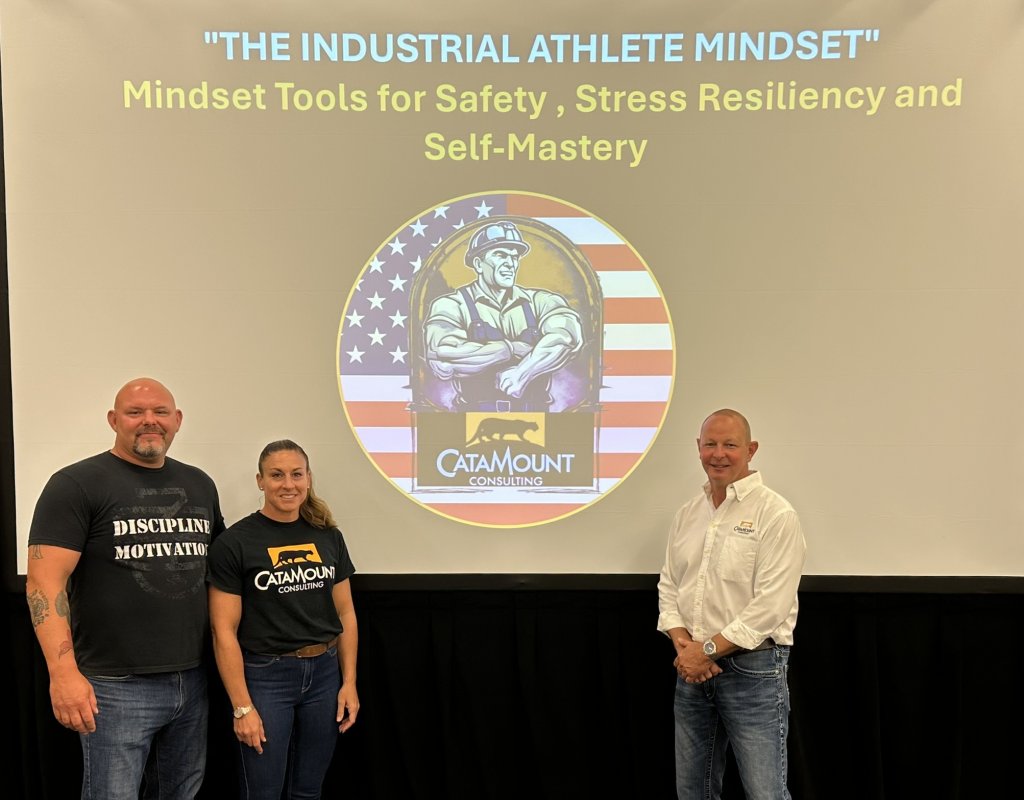
In today’s fast-moving, high-pressure world—whether in classrooms, locker rooms, or job sites—the ability to adapt, learn, and grow has never been more essential. Few people understand this better than Jason and Stacy Spector of Catamount Consulting, who are on a mission to bring growth mindset training to students, athletes, and the blue-collar workforce alike.
The Spectors’ approach blends years of experience in education, athletics, and leadership coaching with a passion for helping individuals discover their potential. Their message is simple yet profound: success isn’t just about talent or knowledge—it’s about mindset.
From Wrestling Mats to Mindset Coaching
Jason Spector’s journey into mindset work began on the wrestling mat. A high school phys ed teacher and longtime wrestling coach, he credits his own transformation to the sport after a childhood marked by bullying and self-doubt. Wrestling not only toughened him physically but also taught him the mental endurance that would later shape his teaching and coaching philosophy.
“It’s probably the most vulnerable experience a human being can have in competition,” Jason explained. “You’re out there in a singlet, one-on-one, with nowhere to hide. Losing means being controlled by someone your own age and size in front of everyone you know. But what you learn is that it’s not about outcomes—it’s about process, resilience, and the ability to keep going.”
That process-based outlook became the cornerstone of his work. Today, Jason serves as a mindset coach in his school district, where he works one-on-one with students ranging from college-bound athletes to those with special needs. His role allows him to help young people develop confidence, composure, and tools for handling the pressures of modern life.
Redefining What Mindset Means
When the term “mindset coaching” first surfaced, it was often dismissed as “woo-woo” or overly abstract. But as Jason and Stacy point out, times have changed. Once confined to the fringes of wellness conversations, mindset training is now supported by hard science and embraced by elite athletes, Fortune 500 companies, and everyday workers.
Jason is certified in “Mindset Mastery” under renowned performance coach Brian Cain, who has worked with MLB teams, UFC fighters, and Olympic athletes. Drawing on this background, Jason emphasizes practical tools: breathwork to reset under pressure, reframing negative self-talk, and focusing on controllable factors.
“99% of the most important competitions in life are mental,” Jason said. “We spend so much time training the body or the technical skills, but what really dictates performance is what happens in the six inches between your ears.”
Translating Growth Mindset to the Trades
One of Catamount Consulting’s most innovative applications of this work is in the blue-collar sector. Through workshops and leadership training, the Spectors help construction crews, miners, and other trades professionals navigate challenges that extend beyond physical skill.
In one striking example, the team worked with a company in Pennsylvania that specializes in sinking mine shafts—an incredibly demanding and dangerous job. The veteran workers often complained about younger employees who lacked basic skills or reliability. Rather than simply lament “kids these days,” Jason reframed the challenge: teach growth mindset principles to both new hires and seasoned veterans.
“You can’t just say, ‘they don’t get it,’” he explained. “You have to break things down into micro-steps, give clear, granular directions, and allow room for failure and feedback. That’s how people learn.”
The Spectors often illustrate this with the image of a ladder. A ladder with rungs far apart makes climbing nearly impossible for a beginner. But add more rungs—small, incremental steps—and anyone can reach the top.
For employers, this means adjusting leadership styles: removing judgment, meeting workers where they are, and creating a sense of belonging. “Survival can be success,” Jason noted, recounting the story of one struggling wrestler who initially celebrated simply making it through a full match. Over time, that student grew into a winning athlete—not because he was told to be perfect, but because he was given reasons to persist, a sense of purpose, and small victories to build on.
The Human Side of Leadership
At the heart of Catamount’s message is a belief in the responsibility of leaders. Too often, business owners or veteran tradespeople blame younger workers for lacking motivation or common sense. But as Stacy points out, “What’s common to one generation isn’t common to the next.” Smartphones, different parenting styles, and shifts in education have all shaped how today’s young people enter the workforce.
Rather than writing off new hires, leaders must understand the “why” behind their behavior. Many young workers lack the sense of belonging or esteem that Maslow’s hierarchy of needs identifies as foundational. Without that, they may disengage. Leaders, then, must provide not just instructions but meaning—helping employees see their role as more than just a paycheck.
“When workers feel like they belong, when they understand their value, they’ll show up differently,” Jason explained. “That’s growth mindset at work—it’s about building people up step by step, so they can grow into who they’re capable of being.”
Why Growth Mindset Matters Now
The conversation around mindset has shifted dramatically in recent years, particularly as mental health challenges like anxiety and depression have become more openly discussed. From Simone Biles stepping away from Olympic competition to high-level executives acknowledging burnout, the stigma around mental wellness has lessened.
For Jason and Stacy, this shift represents an opportunity: to integrate mindset coaching not just into sports or therapy, but into everyday work and life. Whether it’s a high school student battling self-doubt, a welder struggling to stay focused on the job, or a business owner facing morale challenges, the tools of growth mindset apply universally.
“Everyone has a story,” Jason reflected. “Whether you’ve been bullied, doubted yourself, or just felt stuck, mindset is the key to moving forward. And once you learn that growth is a process, not a destination, the possibilities are endless.”
Conclusion: A Call to Action for Leaders
The work of Catamount Consulting underscores a powerful truth: organizations rise or fall on mindset. Technical skills matter, but without resilience, composure, and belonging, even the most talented workers can struggle.
For leaders in the trades and beyond, the challenge is to step up—to coach, to guide, and to foster growth. As the Spectors’ stories reveal, the payoff is immense: stronger teams, more engaged employees, and individuals who discover not just how to do the work, but why it matters.
At a time when industries face labor shortages and cultural divides, Catamount’s message is timely and vital. Growth mindset isn’t just for athletes—it’s for anyone willing to climb the ladder, rung by rung, toward their fullest potential.
👉 To learn more about their programs and philosophy, visit catamountconsultingllc.com.