

How Extreme Ownership Helped Degan Construction Scale Smarter
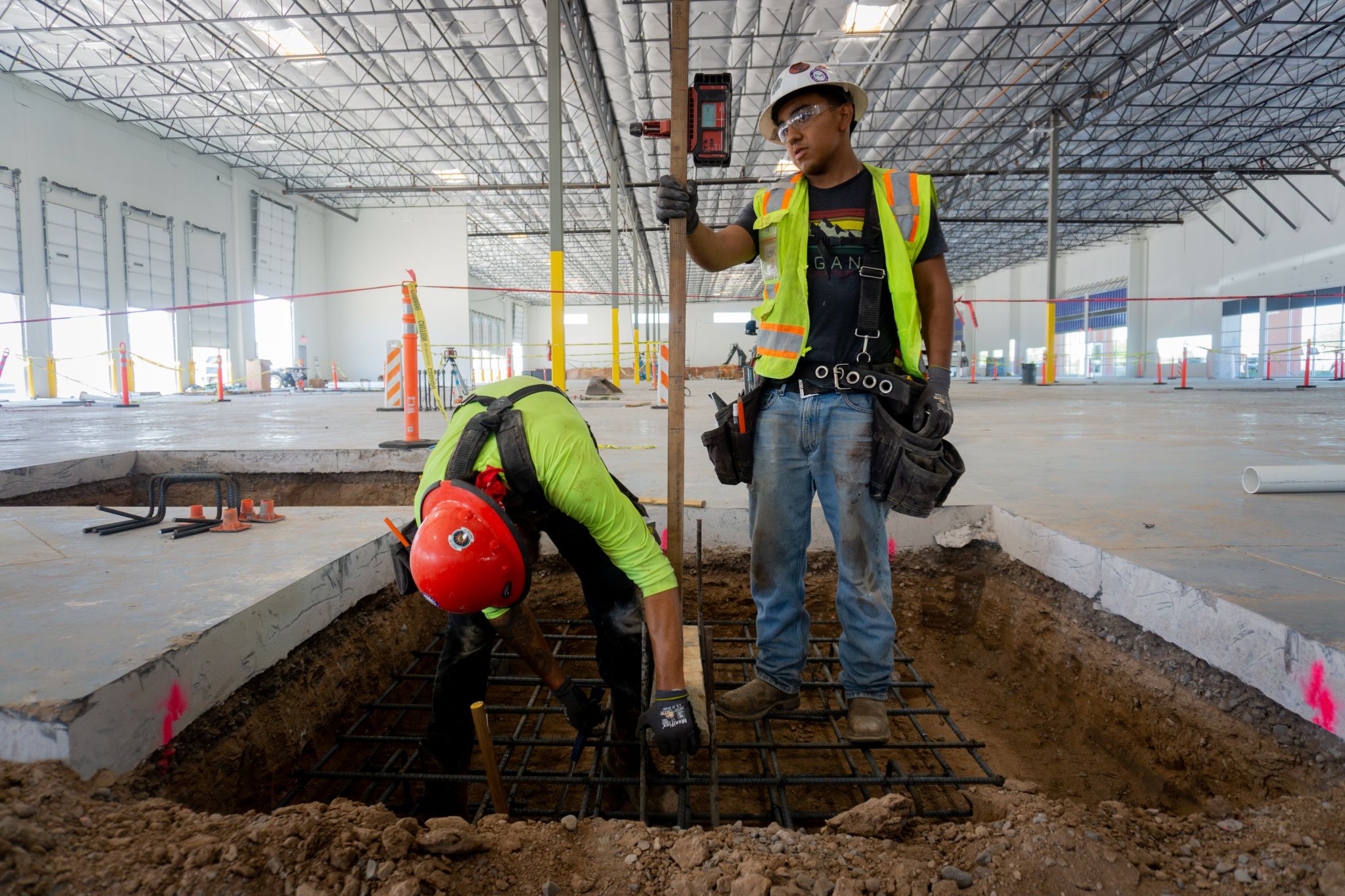
Building a successful construction company takes more than technical skill. According to Denver Whetten, owner of Degan Construction LLC, long-term success in the trades comes from leadership, accountability, and a culture that empowers employees to solve problems.
During a recent appearance on the Blue Collar Startup podcast, Whetten discussed how his company evolved from a small operation with limited structure into a growing construction business focused on leadership development and operational excellence. Throughout the conversation, one theme consistently emerged: extreme ownership.
Whetten explained that in the early days of the business, survival often depended on reacting quickly and figuring things out as problems arose. Like many entrepreneurs in the trades, he launched the company without a perfectly detailed roadmap. Instead, he relied on work ethic, relationships, and the willingness to take calculated risks.
“As long as you solve the problem, people keep giving you opportunities,” Whetten said.
Learning That Leadership Starts at the Top
As Degan Construction expanded, Whetten realized the company’s biggest challenges were not related to construction itself. The real obstacle was leadership.
He credited the book Extreme Ownership by Jocko Willink and Leif Babin with helping reshape his perspective on accountability and team performance. The leadership philosophy argues that leaders must take responsibility for everything happening within their organization rather than blaming employees or outside circumstances.
For Whetten, that realization became a turning point.
“There are no bad teams, only bad leaders,” he said while reflecting on how management decisions directly affected company culture and performance.
Instead of focusing solely on profits or production goals, Degan Construction began investing heavily in leadership development. Weekly training sessions became part of the company routine, helping employees improve communication, accountability, and problem-solving skills.
That investment created a ripple effect throughout the organization. Employees gained more confidence in decision-making, managers became more proactive, and teams developed a stronger sense of ownership over projects.
Scaling a Construction Company Without Losing Culture
One of the biggest challenges construction companies face during growth is maintaining company culture while adding employees and taking on larger projects. Whetten acknowledged that scaling too quickly without the right systems can create instability.
To avoid that problem, Degan Construction focused on building processes that encouraged consistency while still empowering individuals to lead. Whetten emphasized that culture cannot simply be written into a handbook. It has to be reinforced daily through actions, expectations, and leadership behavior.
He also stressed the importance of transparency and trust with clients. In construction, reputation can take years to build and only one mistake to damage. Whetten shared stories about honoring commitments even when projects became financially difficult because protecting long-term relationships mattered more than maximizing short-term profit.
That approach helped strengthen client loyalty and positioned the company for sustainable growth.
Whetten believes many contractors fail because they focus too heavily on technical operations while neglecting leadership and communication. Skilled tradespeople may know how to complete projects, but scaling a business requires learning how to develop people.
“The company that creates the most leaders wins,” he said.
Entrepreneurship in the Trades Requires Adaptability
The conversation also explored the realities of entrepreneurship in construction. Whetten described the sacrifices involved with building a business, including financial uncertainty, long hours, and the constant pressure of decision-making.
At the same time, he argued that adaptability is essential for long-term survival in today’s construction industry. Labor shortages, economic fluctuations, and rapidly changing technology continue to reshape the trades. Companies that refuse to evolve risk falling behind competitors who embrace change.
For Degan Construction, that evolution included implementing business systems such as EOS, or the Entrepreneurial Operating System, to improve communication and organizational structure. Whetten said systems alone are not enough unless leadership teams fully commit to accountability and execution.
Ultimately, Whetten’s message centered on ownership in every aspect of business. Whether dealing with employees, customers, or operational failures, he believes leaders must first look inward before assigning blame elsewhere.
That mindset has helped transform Degan Construction from a small startup into a growing company built around leadership, accountability, and long-term relationships. For contractors navigating the challenges of entrepreneurship in the trades, Whetten’s experience offers a practical reminder that growth is not only about building projects. It is also about building people.
