

Injury Prevention Through Design with Dr. Alicia Turner
How Catamount Consulting and Dr. Alicia Turner Are Bringing Ergonomics to the Front Lines
In many workplaces, ergonomics only enters the conversation after an injury occurs. A strained back, chronic shoulder pain, or a worker suddenly unable to perform a job they’ve done for years becomes the wake-up call. But according to Catamount Consulting, that approach is backwards.
“Our goal isn’t to be reactive,” says Dr. Alicia Turner. “We’re trying to anticipate risk and address it before someone ends up hurt.”
Through a growing ergonomics service offering, Catamount Consulting is helping employers rethink how work is designed—and how people move, think, and recover on the job.
What Ergonomics Really Is (and Isn’t)
Ergonomics is often misunderstood as a narrow solution—shoe inserts, desk chairs, or quick stretching routines. In reality, workplace ergonomics is far broader.
“At its base, all ergonomics is the science of matching the workplace to the worker,” Dr. Turner explains. “Instead of forcing people to contort themselves to do a job, we design the job to fit the human body.”
That philosophy applies across industries, from construction and mining to manufacturing, logistics, healthcare, and even office environments. Whether a worker is running heavy equipment, welding, stocking pallets, or sitting at a computer, how the job is structured matters.
A Holistic View of Risk
At Catamount, ergonomics goes beyond posture and lifting technique. Dr. Turner describes a C.O.P.E. framework developed by Dr. Matt Jeffs, DPT, PSM, CEAS, that looks at four interconnected areas:
- Cognitive ergonomics – focus, distraction, and mental fatigue
- Organizational ergonomics – policies, communication, and workflow design
- Physical ergonomics – movement patterns, force, repetition, and posture
- Environmental ergonomics – heat, cold, vibration, and jobsite conditions
“We’re seeing entire categories of injuries now tied to distraction,” Dr. Turner notes. “People step in front of equipment or miss hazards not because they’re untrained, but because their attention is fragmented.”
This broader lens allows Catamount to address not just how work is done, but why risk accumulates over time.
From the Clinic to the Jobsite
Dr. Turner’s perspective is shaped by years as a practicing physical therapist, often working with employees after serious injuries or surgeries.
“I was frustrated working downstream,” she says. “So many of these chronic injuries build up over years of micro-trauma. I kept thinking, if I could have reached you 20 years ago and changed one or two things, you might never have needed surgery.”
That realization pulled her out of the clinic and onto jobsites, where prevention, education, and small design changes can have massive long-term impact.
Turning Ergonomics Into Actionable Data
One challenge in ergonomics has always been translating observations into something leadership can act on. Catamount addresses this by combining traditional assessment tools with modern motion-analysis technology.
Rather than labeling tasks as simply “high risk,” Catamount provides quantified, easy-to-understand metrics that show:
- Where fatigue is most likely to occur
- Which joints are under the greatest strain
- How specific interventions reduce risk over time
“We can say, ‘This task has a relative fatigue risk of X, and this change will reduce it by 20 percent,’” Dr. Turner explains. “That’s something managers can take straight to upper leadership.”
Stretch, Flex, and Daily Readiness
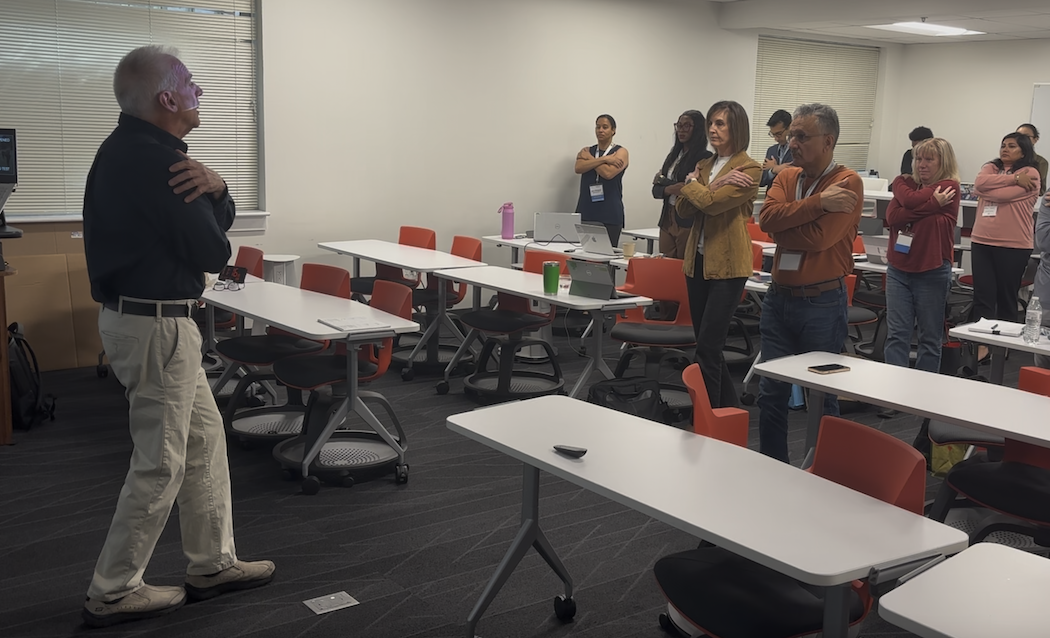
One of the most visible parts of Catamount’s ergonomics programs is its stretch and flex routines, but these sessions are about far more than flexibility.
“If I get 10 to 15 minutes with employees in the morning, I want to activate the whole system,” says Dr. Turner. “That includes movement, balance, breath work, and focus.”
These programs are:
- Tiered so they don’t become repetitive
- Customized to the job and workforce
- Designed to improve balance, circulation, and mental readiness
Perhaps just as important, they build connection. Starting the day together reinforces a shared focus on safety, awareness, and teamwork.
Ergonomics as a Culture Shift
Beyond injury prevention, Catamount sees ergonomics as a driver of culture.
“When workers realize the company is willing to invest in making their jobs safer, it changes how they show up,” Dr. Turner says. “It builds trust, morale, and ownership.”
Even small changes—better task layout, micro-breaks, or movement education—can prevent injuries that cost tens of thousands of dollars in direct and indirect expenses. But the deeper payoff is a workforce that feels supported rather than worn down.
Building Safer Work for the Long Term
Ergonomics, as Catamount practices it, isn’t about slowing production or making work easier. It’s about making work sustainable.
By combining clinical expertise, real-world jobsite experience, and data-driven analysis, Catamount Consulting and Dr. Alicia Turner are helping companies protect their people—and their bottom line—long before injuries occur.
Frequently Asked Questions
According to Dr. Alicia Turner of Catamount Consulting, ergonomics is the science of matching the workplace to the worker. Instead of forcing employees to contort themselves, it involves designing jobs and environments to safely fit the human body.
The C.O.P.E. framework is a holistic way to assess workplace risk across four interconnected areas: Cognitive (focus and distraction), Organizational (workflow and policies), Physical (posture and repetition), and Environmental (conditions like heat or vibration).
Catamount Consulting utilizes modern motion-analysis technology to provide actionable data. This allows them to quantify exactly which joints are under strain, where fatigue is most likely to occur, and how specific design changes will reduce risk percentages.
Catamount’s jobsite stretch and flex routines go beyond basic flexibility. They are tiered, customized sessions designed to activate the whole system—improving balance, circulation, breath work, and mental focus while building a shared culture of safety among the crew.
After years of treating patients downstream for surgeries caused by chronic micro-traumas, Dr. Turner moved to jobsite ergonomics to focus on prevention. She aims to address movement patterns and job design before injuries ever occur.
