

Keys to Growth and Scalability: Lessons from Joe Cerrone of Cerrone Plumbing, Heating & Air Conditioning
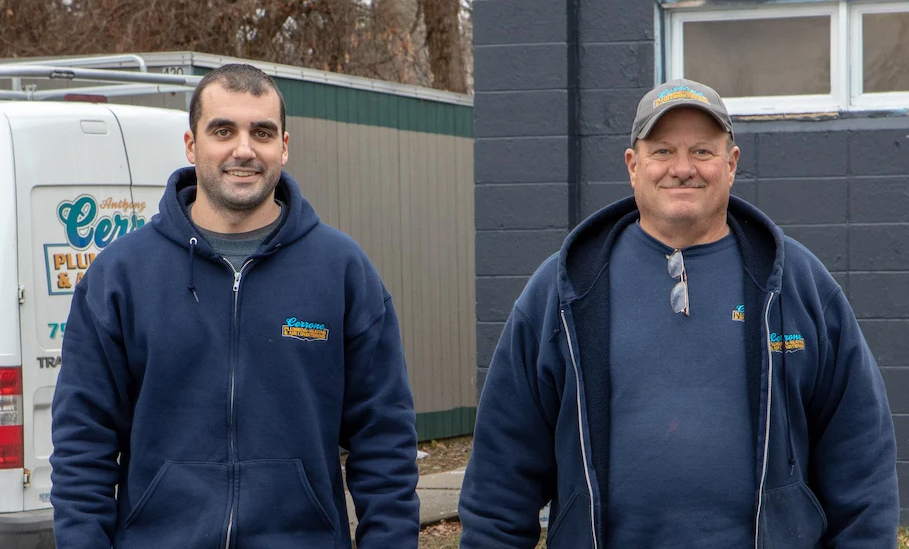
When Joe Cerrone returned to his family business in Queensbury, New York, over a decade ago, Cerrone Plumbing, Heating & Air Conditioning was a modest three-person operation with a single van. Today, it’s a thriving company of 30 employees and a fleet of 23 service vehicles. The road from small shop to regional player wasn’t easy, but Cerrone’s approach offers a blueprint for growth in the trades. His story underscores the importance of patience, organization, investment in people, and the courage to adapt.
Building from the Ground Up
Cerrone’s journey began in the trenches. Having worked as an installer, service technician, and dispatcher—sometimes even dispatching to himself—he experienced firsthand the daily demands of the trade. This deep involvement gave him a unique perspective: he wasn’t just running a business; he knew every role inside it.
That foundation became critical to his leadership. “I’ve been in every position in this company,” Cerrone explained. “When you understand the work, you can make better decisions about what the business needs next.” His early years proved that controlled, sustainable growth required both technical skill and operational foresight.
Scaling Through Strategic Investment
One of the first turning points for Cerrone was deciding to purchase a second van. To most, it might seem like a small step, but for a small shop, it was a leap of faith. The expense of vehicles, insurance, equipment, and stock was daunting. But Cerrone recognized that the calls were coming in, and customers needed timely service. Investing in that second van enabled him to capture more business while laying the groundwork for future expansion.
Over time, adding vans became routine. Yet Cerrone didn’t grow recklessly—he adapted only when the workload demanded it. His guiding question became: Is this what’s best for the company? This mindset allowed him to balance risk with opportunity, ensuring that each investment in equipment or staff generated real value.
Recognizing the Need for Office Support
While adding service vehicles was directly tied to revenue, Cerrone faced a harder lesson: growth required administrative support too. For years, the business operated out of his father’s house and even storage units. But as the workload multiplied, it became clear that field staff couldn’t manage customer calls, scheduling, and invoicing alone.
Hiring office staff, however, was a mental hurdle. “A van brings in money. Office staff is just overhead,” Cerrone admitted. Yet the tipping point came when customer service began to suffer. He realized that without someone managing phones, scheduling, and paperwork, the company couldn’t sustain its reputation.
Looking back, Cerrone wishes he had made the move earlier. That decision—eventually building a dedicated office team, now six people strong—became one of the company’s most important investments. It freed technicians to focus on service while ensuring customers received timely communication.
Delegation: The Hardest Lesson
For many tradespeople turned business owners, letting go of control is the hardest step. Cerrone openly acknowledges this. “Delegating is a skill you learn through trial and error,” he said. Like many in his position, he wanted to do everything—service calls, installations, sales, and office management.
But growth forced his hand. He learned to assign responsibility and trust his team. Today, he has an install manager who oversees major projects, office staff who keep workflows moving, and technicians who handle service calls independently. Cerrone remains engaged, but he no longer tries to be everywhere at once.
His advice: train employees thoroughly, set clear expectations, and check in without micromanaging. Empowered employees not only reduce the owner’s stress but also strengthen customer confidence.
Training from Scratch and Building Loyalty
Hiring in the trades has always been difficult, and Cerrone’s region is no exception. Rather than waiting for experienced candidates to appear, he chose to train many employees from scratch. Some came through programs at BOCES or Hudson Valley Community College; others started with no experience.
The payoff has been long-term retention. Many who began as helpers grew into lead installers or service technicians. “It’s awesome to see guys who started with us years ago now leading projects,” Cerrone reflected. By investing in training, the company not only secured skilled labor but also built loyalty—a key factor in reducing turnover in a competitive industry.
Technology as a Force Multiplier
Cerrone also embraced technology as a way to scale efficiently. In the early days, he tracked everything on Excel and Word templates. As the customer base grew, this became unmanageable. Transitioning to specialized service software was expensive and time-consuming, but it quickly proved essential.
The software streamlined scheduling, invoicing, reporting, and even inventory management. With real-time data, the company could track technician performance, manage costs, and improve customer service. When the old system couldn’t keep up with the company’s size, Cerrone invested in a new platform that offered advanced reporting, job costing, and automated inventory replenishment.
Switching systems wasn’t easy—it required patience, training, and hands-on leadership—but it ensured the company could continue to grow without bottlenecks.
Organization and Prioritization
Cerrone credits much of his success to simple organization. He keeps daily task lists, long-term project lists, and clear workflows for staff. His philosophy is that nothing should “fall through the cracks.” Whether written on notepads or tracked digitally, the discipline of documenting and prioritizing tasks ensures that the business keeps moving forward, even amid daily chaos.
He also stresses patience. Scaling a business doesn’t happen overnight. Each new hire, van, or software system comes with growing pains. The key is to stay organized, make decisions with the company’s long-term health in mind, and take one priority at a time.
Looking Ahead: Residential Growth and Market Expansion
While Cerrone Plumbing, Heating & Air Conditioning has deep roots in new construction, Joe’s current focus is expanding residential service. He sees opportunity in the Saratoga region, where the company has yet to fully establish a presence. Growing the customer database and increasing recurring residential work will help stabilize revenue and reduce reliance on cyclical construction projects.
For Cerrone, the ultimate goal is to build a company that runs smoothly without his constant involvement. “I want to work on the company, not in it,” he explained. By creating systems, empowering employees, and strengthening the customer base, he’s positioning the business for sustainable growth beyond his direct oversight.
Final Advice: Patience and Organization
When asked for one piece of advice on scaling a business in the trades, Cerrone kept it simple: “Have patience and be organized.” These two qualities, he believes, are the foundation of sustainable growth. Without patience, owners risk rushing into decisions that outpace resources. Without organization, the daily demands of the business quickly overwhelm.
Cerrone’s story demonstrates that success in the trades isn’t about shortcuts or luck. It’s about making deliberate investments in people, processes, and systems—and having the perseverance to see them through.
