

Over 30 Years of Camps, Culture, and Survival Skills at Ndakinna
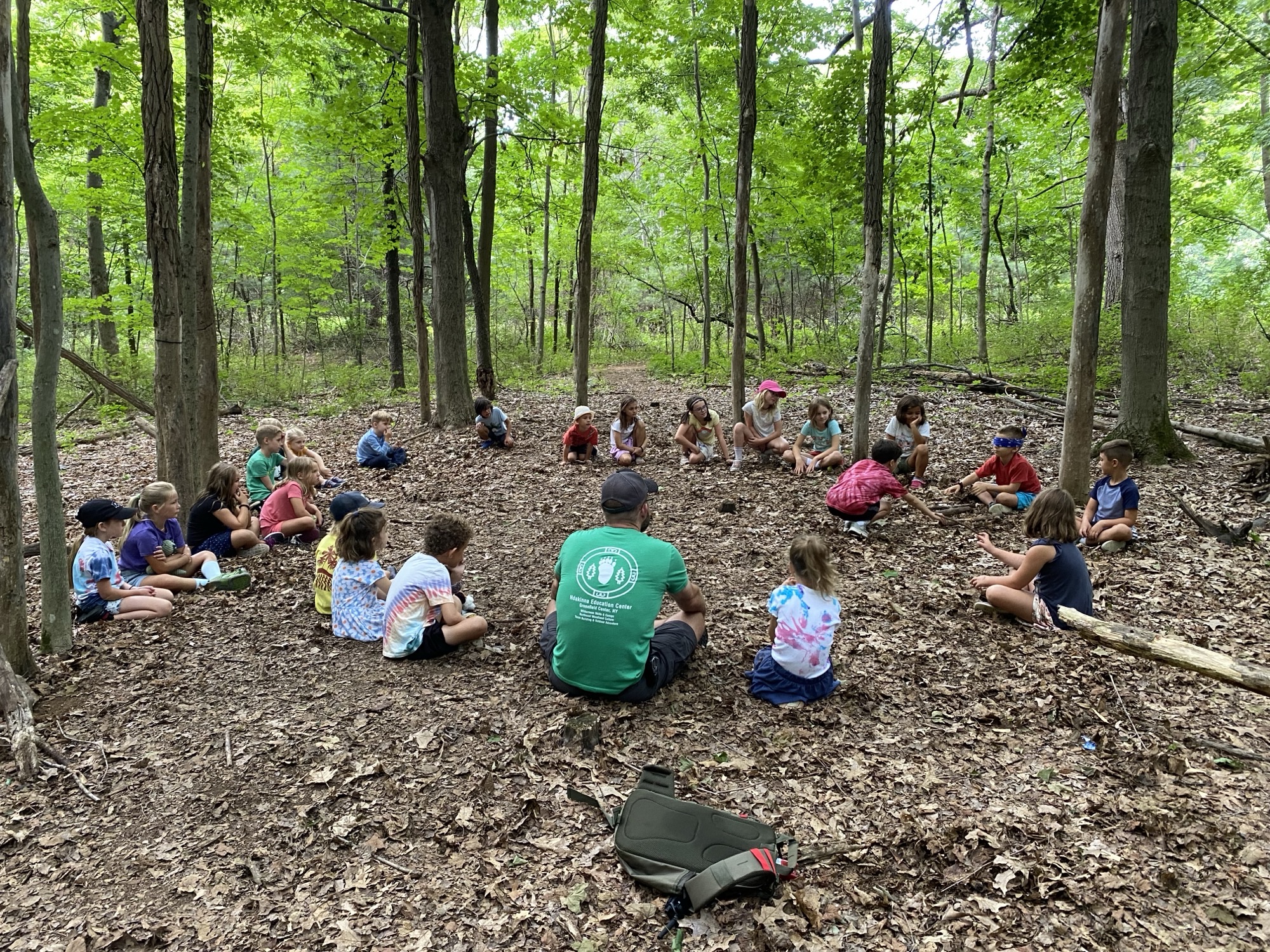
For more than three decades, the Ndakinna Education Center has been quietly shaping how young people connect with the natural world. What began as a small experiment in youth programming has grown into a multifaceted hub for outdoor education, cultural preservation, and hands-on survival training.
James Bruchac, director of the center, recently reflected on that journey, tracing it back to a simple idea that quickly proved its value.
“We kind of did it on a whim,” Bruchac said of the first youth camp. “We only advertised for a short time, and it filled right up. That’s when we realized we had something.”
From a Single Camp to a Lasting Legacy
That early success laid the foundation for what would become a robust lineup of programs. Initially limited to a few weeks of summer day camps, Ndakinna’s offerings expanded organically as interest grew. Overnight camps were added, along with more intensive programs for older students, including the center’s Pathfinder experiences.
Today, those programs span a wide range of age groups and skill levels. Younger children are introduced to foundational concepts like shelter building and nature awareness, while older participants engage in more advanced survival training. These include fire making, navigation, and extended wilderness experiences that culminate in building and sleeping in their own shelters.
Many of the center’s current staff members are former campers themselves. Some are now in their 20s and first attended as young as five years old.
Bruchac emphasized that the goal has always been to meet students where they are. Each program is tailored to developmental stages, ensuring that learning remains both accessible and challenging. “It’s about building skills over time,” he said. “As kids grow, they can move into more advanced programs and deepen their understanding.”
Learning Beyond the Classroom
At the heart of Ndakinna’s approach is experiential learning. Campers are not just taught about nature. They are immersed in it. Activities often involve engaging all the senses, from listening exercises to tracking wildlife and identifying plants.
This kind of learning stands in stark contrast to the increasingly digital environments many children inhabit.
“We want kids to look up, to listen, to be aware of what’s around them,” Bruchac explained. “Nature is a full sensory experience, and that’s something you can’t replicate on a screen.”
The center’s curriculum also emphasizes practical skills that are rarely taught elsewhere. Fire making, for example, is introduced carefully and responsibly, but remains a cornerstone of the program.
While some may view such skills as outdated, Bruchac sees them as essential.
“Understanding the principles behind these skills gives people confidence,” he said. “Even if they never need to use them in an emergency, the knowledge itself is empowering.”
Preserving Culture Through Storytelling
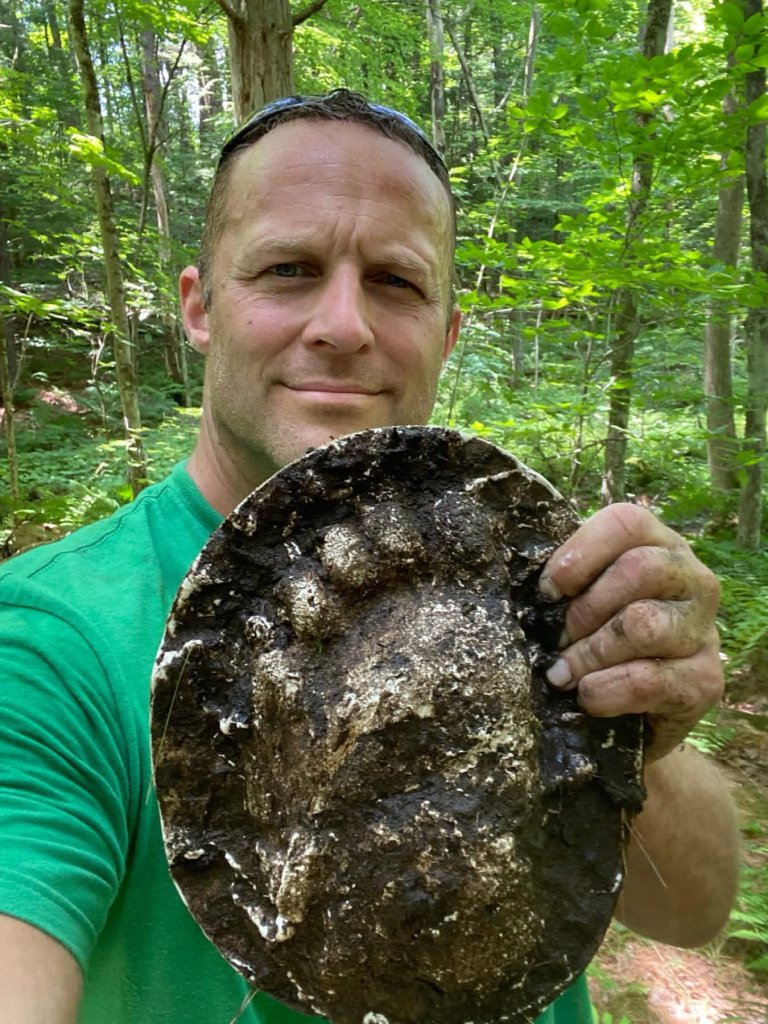
Beyond survival skills, Ndakinna is deeply rooted in Indigenous cultural education. Bruchac, who is of mixed ancestry including Abenaki heritage, incorporates traditional storytelling into many of the center’s programs.
These stories are more than entertainment. They serve as a bridge between generations, carrying knowledge about the natural world, history, and cultural values.
Growing up, Bruchac and his family were immersed in these traditions. His father made a deliberate effort to seek out and preserve stories and teachings that had been at risk of fading away.
“Back then, people weren’t always proud of their Native ancestry,” Bruchac said. “A lot of that knowledge could have been lost. We’ve made it a priority to keep it alive and share it.”
Today, that commitment is evident in everything from campfire storytelling sessions to language courses and cultural events hosted at the center.

Adapting to a Changing World
Like many organizations, Ndakinna experienced shifts during the COVID-19 pandemic. As indoor activities were limited, interest in outdoor programs surged. The center saw an influx of new participants, many of whom have continued with the program as they’ve grown older.
“We had a lot of younger kids come in during that time,” Bruchac said. “Now they’re teenagers, and they’ve stayed with us. It’s been incredible to watch.”
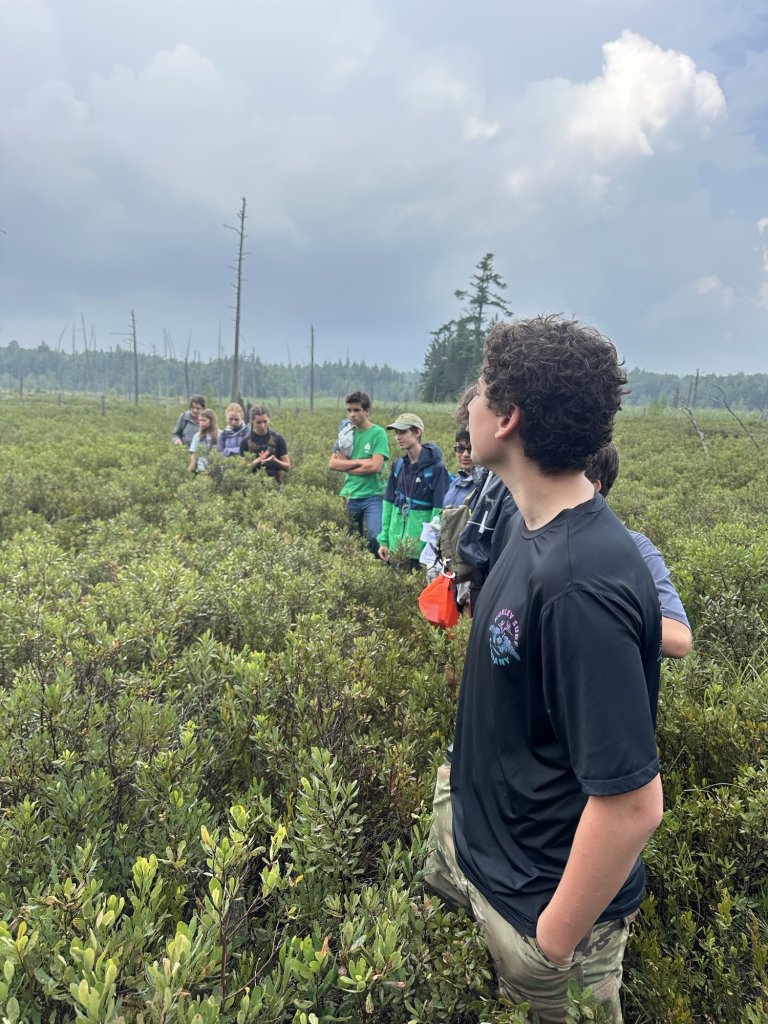
That growth has also brought new challenges, including balancing age groups and expanding offerings to meet demand. In response, Ndakinna has introduced additional programs such as its Sunday Survival Series, which provides adults with opportunities to learn skills like animal tracking and wilderness navigation.
The center continues to evolve while staying true to its core mission.
A Community Resource for the Future
As Ndakinna looks ahead, its focus remains on fostering connection. Connection to nature, to culture, and to community. In addition to camps, the center hosts school field trips, cultural festivals, and workshops led by both in-house instructors and guest experts.
Bruchac sees this work as more important than ever.
“These are skills and perspectives that people are starting to realize they need again,” he said. “We’re just trying to make sure they’re still here to be learned.”
For more information about programs, camps, and upcoming events, visit www.ndakinnacenter.org.
