

Saving Rare Breeds and Empowering Homesteaders: Julie Murray’s Mission at Mack Brin Farm
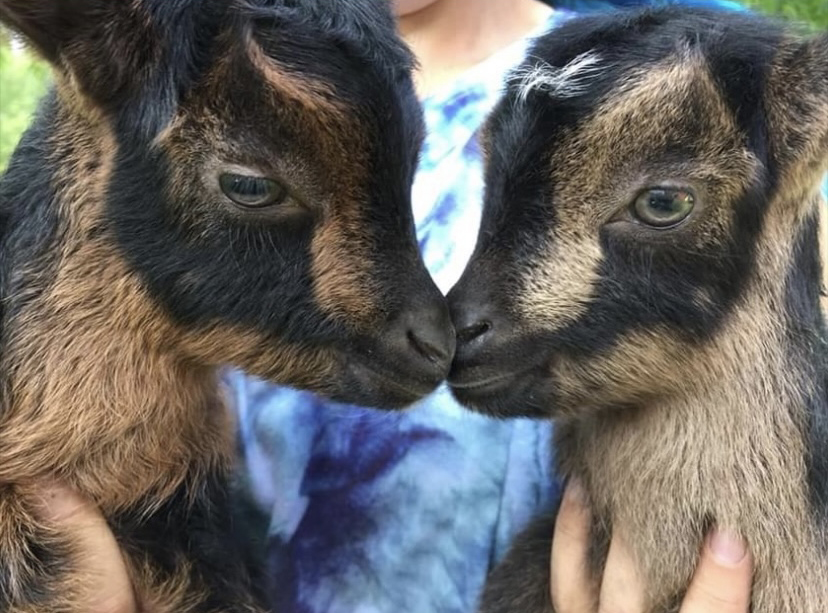
In the rolling hills of upstate New York, Julie (Jules) Murray tends to her 56-acre Mack Brin Farm with a passion for sustainable farming and a deep commitment to preserving rare livestock breeds.
Named after the middle names of her children, Mack Brin Farm is more than a homestead—it’s a living testament to the importance of knowing where food comes from and safeguarding heritage breeds for future generations. At the heart of Jules’ work is her dedication to the San Clemente Island goat, a rare breed she has helped bring back from the brink of extinction, alongside her efforts to guide new homesteaders in raising their own animals.
A Legacy of Conservation: The San Clemente Island Goat
Fifteen years ago, when Julie Murray first began working with San Clemente Island goats, only 465 remained worldwide. Originating from San Clemente Island off the coast of California, these goats faced near annihilation in the 1980s when the U.S. Navy, deeming them a nuisance, attempted to exterminate them. Thanks to the efforts of organizations like Friends of Animals, a small number were rescued, preserving a unique genetic lineage unmatched by any other goat breed. Today, through the work of conservation breeders like Jules, their numbers have grown to approximately 2,000 across the United States and Canada.
As a conservation breeder, Jules collaborates with institutions like UC Davis on genetic studies, focusing on the breed’s rare traits, such as unique color variations and high butterfat content. “The San Clemente Island goats are special,” she explains. “They’re a medium-sized breed, with females ranging from 70 to 90 pounds and bucks sometimes reaching up to 160 pounds. Their milk has a butterfat content of 7.5%, making them ideal for cheese and soap production, perfect for homesteading projects.”
Jules’ fascination with the breed extends to their distinctive characteristics. Known for their intelligence and semi-feral nature, these goats are adept at free-grazing, navigating her property’s mix of open fields, woodlands, and scrubby areas. “They’re like deer,” she says, describing how they selectively graze, even sampling potentially toxic plants like milkweed before moving on. This adaptability, combined with their low scent and manageable size, makes them an excellent choice for homesteaders looking to integrate livestock into their land management practices.
Her breeding efforts have also uncovered rare genetic traits, such as white markings, which appear in less than 10% of the population. “It took me 13 years to figure out how to breed for it on purpose,” she admits, noting her ongoing collaboration with a UC Davis geneticist to further explore these traits. Jules’ herd, currently numbering around 35 goats, includes 18 kids, many of whom carry these prized genetics. However, finding the right homes for these animals is a priority. “I spend a lot of time making sure I pick the right people for each group,” she says, emphasizing her commitment to placing goats with homesteaders who understand their unique needs.
From Farm to Table to Homesteading
Mack Brin Farm began as a way to teach Jules’ children about the origins of their food, rooted in the principles of sustainable farming and farm-to-table living. Over the years, the farm supplied high-quality, pasture-raised meats to fine dining establishments across Saratoga, Warren, and Washington counties. Chefs from renowned restaurants like Salt & Char and Gideon Putnam visited the farm to see her rotational pasture system, which ensured healthy, ethically raised animals. However, the COVID-19 pandemic disrupted this model when restaurants closed, leaving Jules with surplus stock and a need to pivot.
The challenges didn’t stop there. Rising costs of feed, coupled with stricter regulations on meat processing, made it difficult to continue supplying restaurants. “It’s hard to find processors who can meet my standards,” Jules explains, noting her insistence on USDA-certified processing to minimize liability and ensure quality. “I want my meat to look like it could go into a grocery store at any second.” This meticulous attention to detail, while admirable, made large-scale meat production unsustainable in the post-COVID landscape.
Instead, Jules shifted her focus to live animal sales, particularly to homesteaders eager to start their own small farms. “I feel like I did it first,” she says with a laugh, recalling how skeptics doubted her ability to succeed as a woman in farming. Undeterred, she built a reputation for raising heritage and rare breeds, including Black Welsh Mountain sheep, Ancona ducks, and composite rabbits with striking blue eyes. Her pivot to homesteading aligns with a growing movement of people seeking to grow their own food and live sustainably.
Empowering the Next Generation of Farmers
Jules’ mission extends beyond preserving rare breeds—she’s passionate about helping others start their homesteading journey. Whether it’s raising San Clemente goats for milk and foraging, rabbits for meat or companionship, or ducks for eggs, she offers practical advice and high-quality livestock to aspiring farmers. “It’s not easy,” she acknowledges, citing the labor-intensive nature of sustainable farming. Yet, her enthusiasm for teaching others is unwavering. She’s even compiled a notebook of tips, such as how to hatch duck eggs, which she shares with her clients.
Her farm’s 56 acres, a mix of open fields, hayfields, and woodlands, serve as a living classroom. Murray’s rotational grazing system, which she once used for pigs, sheep, and poultry, demonstrates how to manage land sustainably. While she no longer raises pigs due to the intensive fencing required, her goats thrive in a free-grazing setup, moving through the property with minimal fencing. “They’re smart,” she says. “They know where the good stuff is, and they teach their offspring what to eat.”
For homesteaders, Murray’s goats offer unique advantages. Their cashmere-like wool, a trait she’s exploring with researchers, provides an additional income stream for those interested in spinning or crafting. Their foraging ability also makes them excellent for clearing brush, including invasive plants like poison ivy. However, she cautions that San Clemente goats require a firm hand. “You have to be the boss,” she advises, noting their shy yet independent nature.
Challenges and Resilience
Running Mack Brin Farm hasn’t been without setbacks. A devastating fire in 2017 destroyed her barns, halting her breeding programs and forcing a rebuild. Rising costs of hay and feed, coupled with encroaching development around her property, add ongoing pressure. “It’s hard to feel caught up,” she admits, describing the constant juggling of farm maintenance, animal care, and personal projects like her house, which still bears scars from past neglect.
Despite these challenges, Murray’s resilience shines through. She’s navigated personal and professional losses, from the fire to the economic fallout of COVID, with determination. Her focus on homesteading has reinvigorated her purpose, allowing her to connect with a new generation of farmers who share her values. “I’ve shipped animals all over the United States,” she says proudly, reflecting on her role in spreading rare breeds and sustainable practices.
A Call to Support Local Farms
Jules’ story is a reminder of the importance of supporting local agriculture, especially farms dedicated to conservation and sustainability. Through her work with San Clemente Island goats and her support for homesteaders, she’s preserving not just a breed but a way of life. “I started this farm so my kids would know where their food comes from,” she reflects. Now, her mission is to ensure others can do the same.
For those interested in starting their own homestead or learning more about Mack Brin Farm, Jules welcomes inquiries—preferably by text, given her busy schedule wrangling goats and managing her land. Her story, like her farm, is one of perseverance, passion, and a deep connection to the land and its creatures.
You can learn more about Mack Brin Farms by visiting their facebook page @mackbrinfarms
