

October Market Outlook: When the Witching Hour Strikes
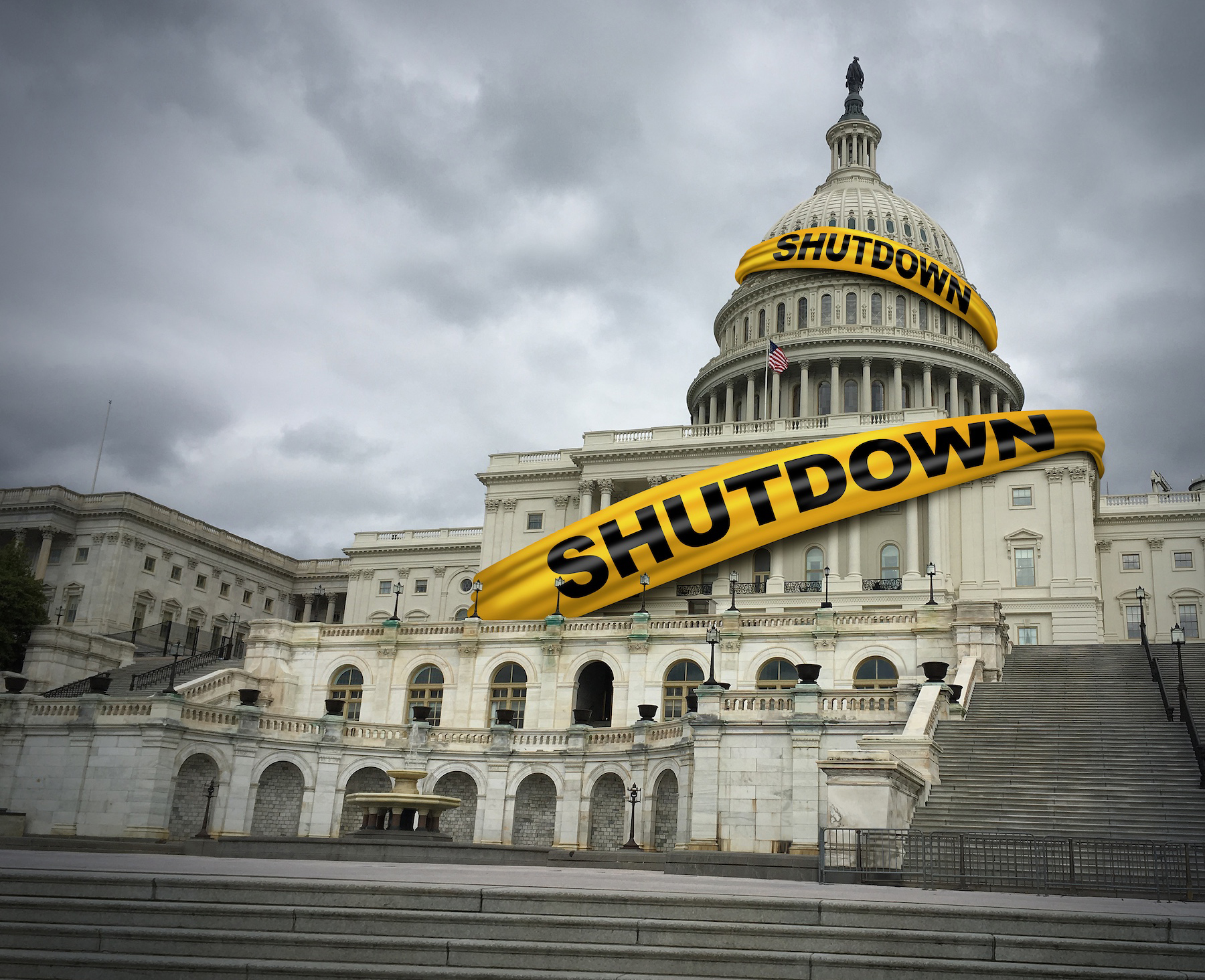
As October settles in and the nights grow longer, the markets have taken on an eerily familiar tone, volatility rising, uncertainty brewing, and investors bracing for what might emerge from the shadows. Between a government shutdown and renewed U.S.–China trade tensions, the financial landscape has grown more unpredictable. Yet, like any good Halloween story, there’s more beneath the surface, and not all of it is meant to spook.
This month, we explore the key forces shaping markets, what they mean for investors, and how to keep your portfolio “spell-proof” when the witching hour of volatility strikes.
The Government Shuts Down, Again
For the first time in nearly seven years, the federal government has entered a partial shutdown. The immediate effects are being felt across federal operations, from furloughed workers to the delayed release of crucial economic data like the September payroll report. What’s less clear is how long the standoff will last and how deep its effects will run.
At its core, the shutdown stems from another budget impasse in Washington. Lawmakers failed to reach a deal ahead of the new fiscal year, with partisan divides emerging over healthcare funding and expiring Affordable Care Act subsidies. Neither side wants to shoulder the blame for stalled paychecks or shuttered services, yet the stalemate continues.
From a market standpoint, the real question is duration. According to Bespoke Investment Group, each week of a government shutdown trims roughly 0.1% off GDP growth. That might sound manageable in the short run, but prolonged paralysis could begin to dent consumer and business confidence, especially with the Federal Reserve’s next policy decision approaching in late October.
So far, markets have taken the news in stride. History shows why: over the past 20 shutdowns since 1976, the long-term market impact has been muted. Even during the record 35-day shutdown of 2018–2019, the S&P 500 rose. The disruption tends to reverse quickly once funding resumes, making patience and perspective the best defense.
Still, investors should expect short-term volatility. The absence of timely economic data leaves the Fed and the markets flying somewhat blind. Futures markets are still pricing in a potential rate cut this month, but policymakers may choose to pause if the data blackout clouds their view of inflation and labor trends.
The bottom line: while government shutdowns are messy and inconvenient, they rarely derail long-term growth or corporate profitability. For disciplined investors, these moments of uncertainty often create opportunity.
Trade Tensions Return to the Stage
As if the shutdown weren’t enough to stir anxiety, renewed trade tensions between the U.S. and China have resurfaced, casting another spell of volatility over global markets. Tariff talk, retaliatory threats, and geopolitical posturing have reignited fears of disrupted supply chains and weakened global growth.
The result: a choppy start to the month. The S&P 500, which recently hit a record high of 6,735, fell sharply toward its 50-day moving average. A break below that level could bring its 200-day moving average into play, roughly 10% below current levels. In technical terms, that would mark a “correction,” but we see it as a healthy, even necessary, reset within an ongoing bull market rather than the start of a prolonged downturn.
Behind the scenes, investors are dealing with another complication, the lack of fresh economic data due to the shutdown. Without that information, attention has shifted squarely to corporate earnings season. Early estimates from FactSet project third-quarter earnings growth of about 8% for the S&P 500, with 2026 earnings-per-share expected to grow more than 13%. If companies can deliver, or at least hold the line, markets may stabilize sooner than expected.
It’s worth noting that fundamentals remain supportive. The economy continues to grow above expectations, the Fed has begun cutting rates to extend the expansion, and consumer balance sheets remain healthy. Meanwhile, investors are sitting on record levels of cash in money markets, more than $6 trillion, providing ample liquidity once valuations become more attractive. In other words, there’s plenty of “dry powder” waiting to be deployed.
The Broader Picture: Volatility Creates Opportunity
It’s easy to let fear creep in when markets wobble. But history tells a different story, one where volatility often precedes opportunity.
Despite the near-term noise, the fundamental backdrop remains strong. Corporate earnings, labor markets, and consumer spending continue to underpin growth. Valuations are elevated, yes, but not unsustainably so when viewed against still-solid earnings forecasts. For long-term investors, pullbacks like the one we’ve seen this month can serve as valuable entry points to rebalance portfolios and realign with long-term objectives.
That said, market breadth has weakened in recent months. A handful of mega-cap technology names have shouldered most of the market’s gains, leaving the broader index more vulnerable to a correction if leadership falters. This is why diversification, across sectors, asset classes, and geographies, remains essential. Just as witches rely on multiple ingredients for their potions, investors benefit from blending the right mix of assets to keep their portfolios resilient.
Brewing a Portfolio for the Witching Hour
Every October, as Halloween draws near, we’re reminded that the scariest stories often involve what we can’t see. The same is true in investing. Unseen risks, concentration in a few stocks, drifting allocations, or overexposure to a single sector, can haunt even the most seasoned investors.
To guard against such surprises, we recommend revisiting five key “ingredients” for a balanced, long-term portfolio:
- Know Your Fear Factor.
Every investor has a different tolerance for volatility. Understanding your personal “fear factor” helps ensure your investment mix aligns with your comfort level. A portfolio that’s too aggressive can lead to sleepless nights, while one that’s too conservative may fall short of long-term goals. - Recalibrate Regularly.
Like a broomstick that drifts off course, portfolios can veer from their intended risk level when left unchecked. Strong stock performance over the past year may have pushed allocations higher than intended. Rebalancing restores the right balance between risk and return. - Peer into the Crystal Ball.
Look beneath the surface of your equity exposure. Are you concentrated in a handful of names or sectors? Are you globally diversified? A broader mix of stocks across regions and market caps can help shield you from downturns in any one area. - Strengthen Your Defense with Bonds.
Bonds may not offer the thrill of equities, but they play a crucial defensive role. High-quality fixed income adds stability and income potential, especially during periods of stock market turbulence. - Add a Dash of Alternatives.
Alternatives such as real estate, commodities, and managed futures can smooth returns and reduce volatility. Like adding a secret ingredient to a recipe, they help enhance diversification when traditional markets turn volatile.
By combining these elements, investors can brew a portfolio built for all seasons, not just the sunny ones.
Looking Ahead: A Cautious but Optimistic Path
The coming weeks will likely bring more twists and turns as negotiations in Washington continue and global trade headlines evolve. Markets may remain volatile, but we see this as a period of recalibration, not reversal.
The U.S. economy remains fundamentally healthy, supported by strong employment, resilient consumers, and manageable inflation trends. Corporate profits are poised for renewed growth heading into 2026, and the Fed has room to adapt policy as conditions evolve.
In times like these, the best course isn’t to panic or make rash changes, it’s to stay grounded. The history of the markets is full of “scary moments” that later proved to be fleeting. Whether it’s a government shutdown, trade dispute, or geopolitical headline, disciplined investors who remain focused on their long-term plan tend to come out ahead.
Final Thoughts: Keep Calm and Fly Steady
October has long carried an air of superstition on Wall Street. “Black Monday” in 1987, the dot-com bust in 2000, and the financial crisis of 2008 all left their mark on this month’s lore. But just as often, October also marks a turning point, where markets shake off their fears and begin to recover.
So as the witching hour of market volatility approaches, remember, fear is temporary, but fundamentals endure. Keep your broomstick steady, your portfolio balanced, and your long-term goals in focus. When uncertainty brews, diversification, not divination, is your best protection.
No spells required.
Cetera Investors is a marketing name of Cetera Investment Services. Securities and Insurance products are offered through Cetera Investment Services LLC (doing insurance business in CA as CFG STC Insurance Agency LLC), and member FINRA/SIPC. Advisory services are offered through Cetera Investment Advisers, LLC. Office Address: 19 British American Blvd East, Latham, NY 12110. Phone# (518)724-5004. The material contained in this document was derived from the articles written by Cetera Investment Management LLC written in September 2025, which can be located on our website: www.greenwoodhoff.com . Commentaries are published by Cetera Investment Management LLC, an SEC registered adviser owned by Cetera Financial Group.