

Catamount Consulting Breaks Down the Foundations of Mindset Mastery
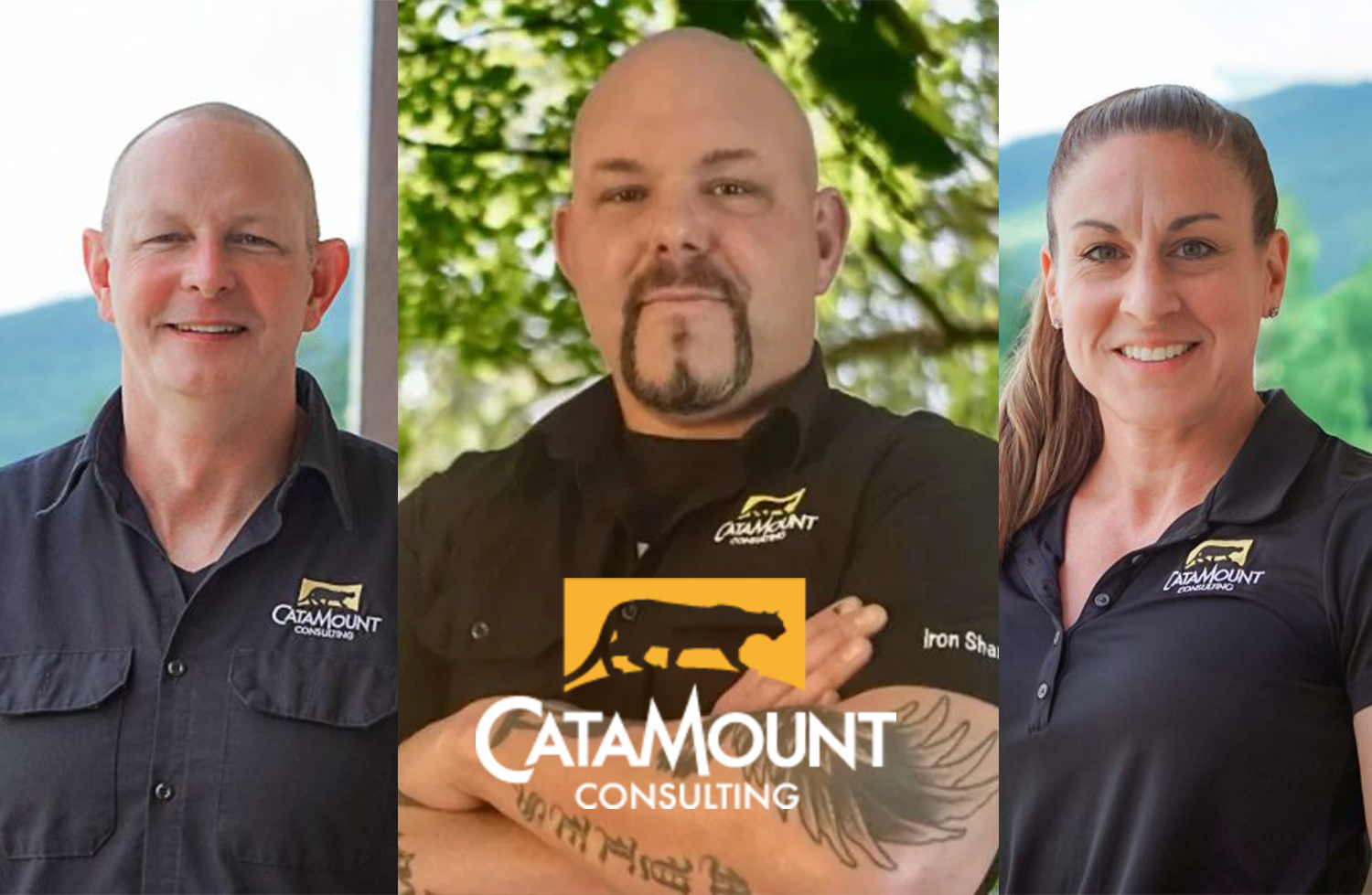
In a compelling roundtable on Blue Collar StartUp, Stacy Spector, Jason Spector, and Scott McKenna of Catamount Consulting unpack the essential mindsets that fuel leadership growth and high-performing teams in blue-collar industries. Relying on lessons learned and experiences in the sport psychology space, along with backgrounds in consulting and leadership, the trio outlines what they call the “Three Truths”. Core principles every leader must embrace to improve themselves and their organizations.
The first truth Catamount emphasizes is simple but profound: everyone is flawed. Acknowledging imperfection isn’t a weakness but a starting point for growth, requiring the self-awareness to recognize shortcomings, outdated beliefs, and ingrained defaults. When leaders and team members accept their own shortcomings, they open the door to authentic development rather than hiding behind pride or defensiveness. In sectors like construction and skilled trades, where resilience and self-reliance are cultural norms, admitting flaws can create space for reflection, humility, and real improvement.
Mindset as an Infinite Game
The second truth centers on mindset, and Catamount frames personal and professional growth as an infinite game. There’s no finish line where a leader can say, “I’ve arrived.” Instead, seasoned leaders continually lean into learning, adopting the belief that growth is never complete.
Jason Spector, drawing from his years of experience working with students and athletes, makes a vivid comparison: just as the body needs nutrition and oxygen to survive, the mind needs information and mental input to thrive. Without conscious effort toward growth through reading, self-reflection, coaching, or new experiences, leaders risk stagnation or regression. This mindset orientation puts development front and center as a daily priority rather than an occasional task.
Coaches Model Vulnerability and Create Psychological Safety
Alongside mindset, Catamount highlights the importance of psychological safety. An environment where team members feel comfortable sharing ideas, admitting mistakes, and engaging openly without fear of judgment. This culture of safety is not about soft leadership; it’s about trust.
Stacy Spector, a leadership coach with a background outside traditional trades, emphasizes that vulnerability is a learned skill, not an innate trait. When leaders model vulnerability by owning missteps or asking thoughtful questions, they help their teams feel secure enough to take risks and innovate. This openness accelerates learning and strengthens relationships across an organization.
Scott McKenna adds that one of the biggest barriers to development is fixed mindset thinking—believing you already know what works and resisting new perspectives. He describes it as the silent killer of performance, turning problems into excuses, feedback into threats, and potential into stagnation. By contrast, a growth mindset reframes challenge as fuel, feedback as direction, and effort as a pathway to real results.
Practical Strategies for Growth
Beyond framing leadership principles, the Catamount team dives into practical tools leaders can use immediately. Journaling is a tool for self-reflection, accountability, and manifestation. Writing experiences down increases awareness and accountability. They also advocate for micro-habits: behaviors that are simple to start yet easy to skip, which reveal internal obstacles and provide insights into behavior change.
Other strategies include intentional daily learning, regular feedback loops, and creating accountability systems through peer groups or coaching. These practices may be small in isolation, but over time they compound into meaningful shifts in thought patterns and leadership behavior.
Leadership Is a Daily Practice
One of the episode’s strongest takeaways is that leadership is not a title; it’s behavior rooted in consistent practice. Catamount Consulting urges leaders, especially in blue-collar fields, to embed personal development into daily routines rather than treating it as a luxury or afterthought. Growth becomes more sustainable when shared with peers, mentors, or coaches who can offer perspective, support, and accountability.This discussion resonates with business owners, managers, and team leaders across skilled trades and construction, where leadership quality directly impacts safety, performance, retention, and culture. For those who want to take the next step, Catamount Consulting offers coaching, workshops, and leadership development services designed to accelerate individual and organizational growth. You can learn more at CatamountConsultingLLC.com.
Frequently Asked Questions
What is mindset mastery in business and personal development?
Mindset mastery is the process of developing productive thought patterns, resilience, and decision-making habits that support long-term success in business and life.
How can mindset coaching improve business performance?
Mindset coaching can improve focus, leadership, confidence, communication, and the ability to navigate challenges, which often leads to better business outcomes.
What are the key components of mindset mastery?
The key components typically include self-awareness, goal clarity, emotional regulation, positive habits, accountability, and continuous learning.
Why do entrepreneurs invest in mindset development?
Entrepreneurs invest in mindset development because business success often depends on leadership, persistence, adaptability, and the ability to manage uncertainty.
How does Catamount Consulting approach mindset mastery?
Catamount Consulting focuses on practical strategies that help individuals and business owners strengthen their mindset, improve performance, and achieve meaningful goals.
