

Building Careers in the Trades Through Mentorship and Leadership
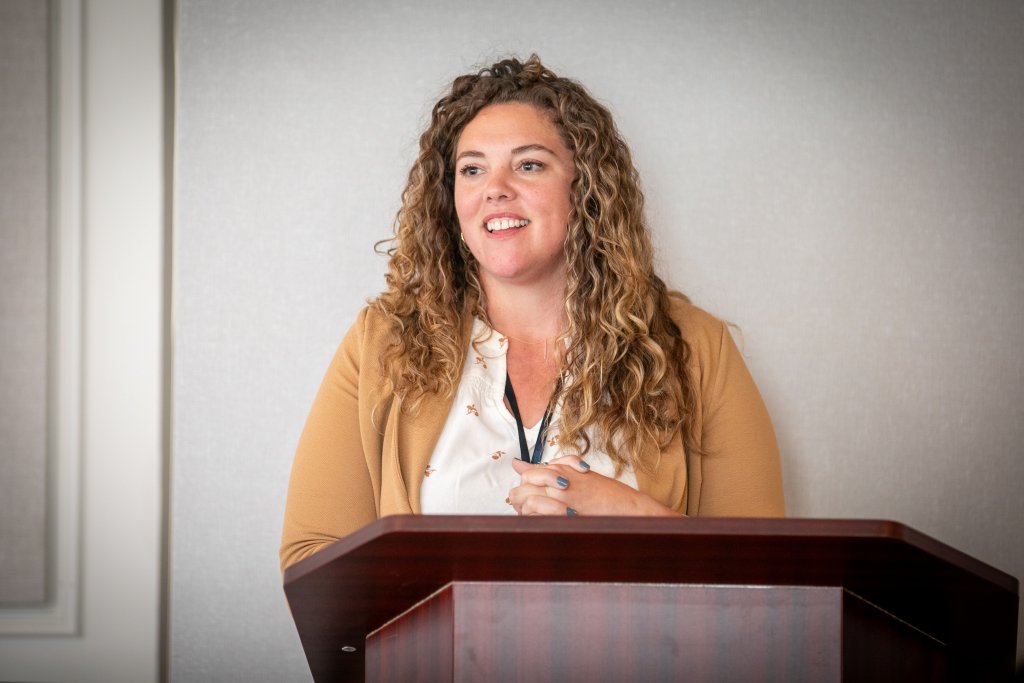
In an industry often defined by tradition, Sarah Patrie is helping reshape what a career in construction can look like. As Executive Director of PCI Northeast, she represents a growing movement within the trades that values mentorship, industry involvement, and nontraditional career paths. Her journey also reflects a broader shift as more women step into leadership roles across the field.
PCI Northeast, part of the Precast/Prestressed Concrete Institute network, works to advance the use of precast and prestressed concrete across New York and New England. But for Patrie, the mission is not just about materials. It is about people and the future of the workforce.
Mentorship as a Career Catalyst
Patrie’s early career in construction began with hands-on experience and a steep learning curve. As a young project manager working on large-scale jobs, she quickly realized that success was not about knowing everything.
“You don’t need to know everything,” she says. “Nobody expects you to, but you have to be willing to ask questions.”
That lesson was reinforced by mentors who helped guide her through the early stages of her career. More than 15 years later, she still turns to them for advice. In an industry where experienced professionals are retiring at a rapid pace, she sees mentorship as one of the most critical tools for sustaining knowledge and developing new talent.
“You cannot replace experience,” she explains.
For those entering the trades today, mentorship provides both technical insight and confidence. It helps bridge the gap between education and real-world application while reinforcing the idea that growth comes from collaboration, not isolation.
The Power of Industry Involvement
Patrie’s career took a pivotal turn when she became more involved in industry organizations. After starting in project management, she transitioned into a leadership role with the Associated General Contractors before moving into her current position.
While the shift may seem unconventional, it highlights the value of engagement beyond the job site.
“There is an association for everyone,” she says. “And you get out of it what you put into it.”
Through organizations like PCI Northeast, professionals gain access to education, networking, and advocacy. These groups connect engineers, contractors, and students while providing a broader view of how policy, workforce development, and innovation shape the industry.
For Patrie, that exposure expanded her perspective. It allowed her to move from focusing on individual projects to understanding the systems that support the entire construction ecosystem.
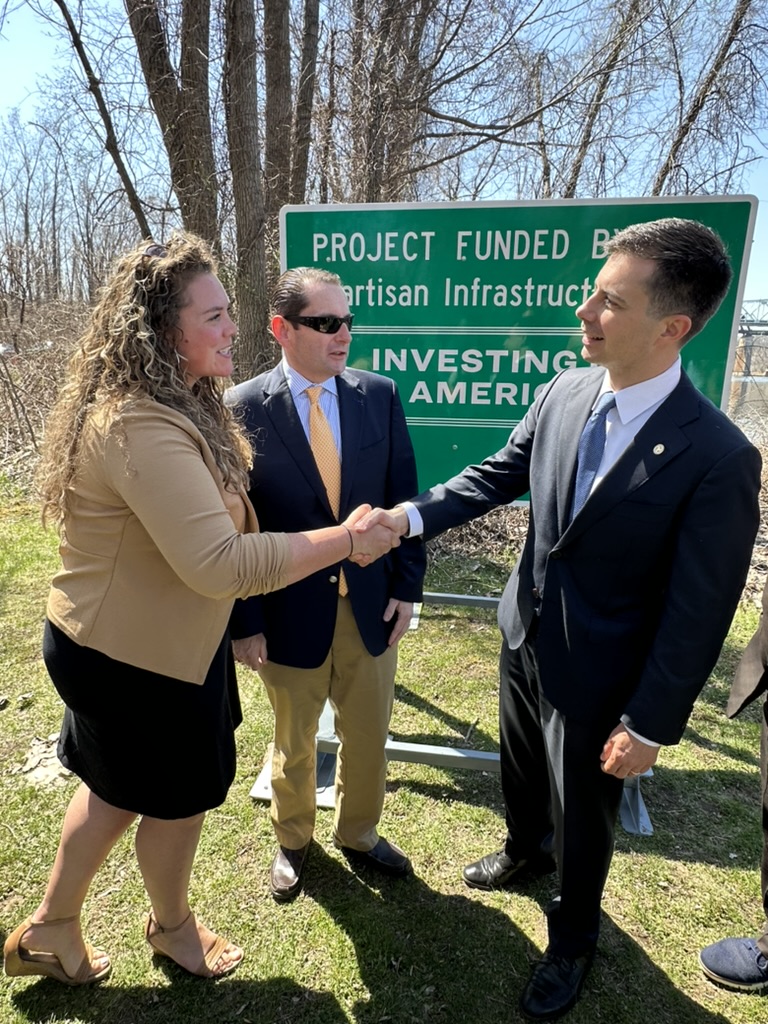

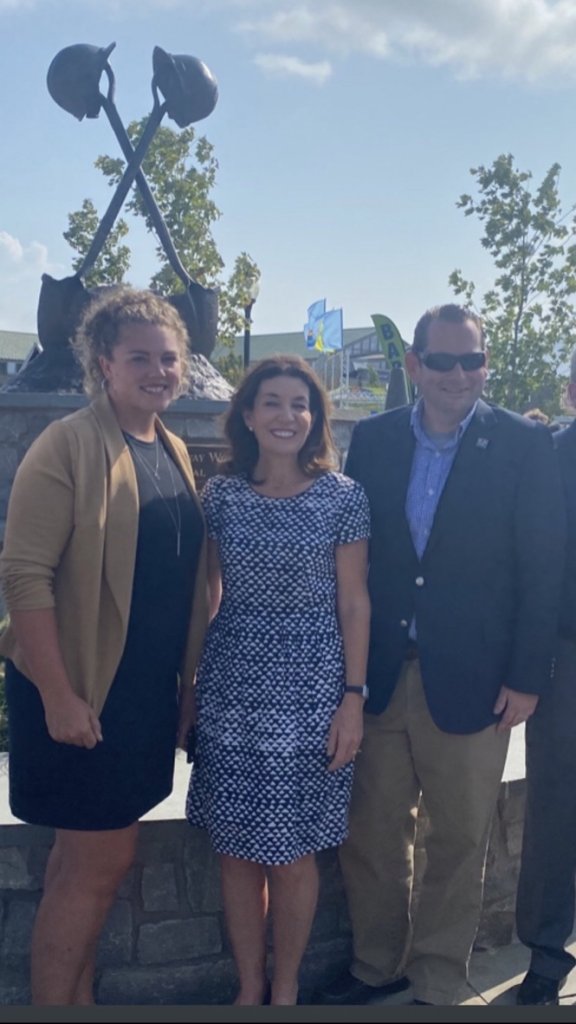
A Nontraditional Path with Purpose
Patrie is the first to admit her career path is not typical. Moving from engineering into nonprofit leadership within a trade association is a route few take, but it is one she encourages others to consider.
“I kind of fell into it,” she says. “And I absolutely love it.”
Her experience reflects a key reality about careers in construction. They are not always linear. Opportunities exist in leadership, advocacy, education, and beyond. As the industry evolves, these alternative paths are becoming increasingly important.
This flexibility also plays a role in addressing workforce challenges. By expanding awareness of the different roles available, organizations like PCI Northeast help attract a more diverse range of talent.
Women Shaping the Future of the Trades
As a woman in a historically male-dominated industry, Patrie has seen significant progress over the past decade. While there is still work to be done, more women are entering and advancing within the trades.
Her advice to those considering the field is simple. “Do it. And do it and be happy.”
Confidence, she says, is essential. Being heard isn’t always about being the loudest voice in the room; by having confidence in your decisions and standing behind your work, you build credibility that speaks for itself
Representation also matters. Patrie followed strong female leaders earlier in her career, and now she serves as that example for others. Visibility helps create pathways and shows the next generation what is possible.
Building More Than Structures
At its core, construction is about creating something tangible and lasting. For Patrie, that extends beyond buildings and infrastructure. It includes building careers, networks, and opportunities for others.
Through mentorship, industry involvement, and a willingness to embrace new paths, she is helping shape a more inclusive and forward-looking trades industry.
“It’s really cool,” she says. “You get to build something and say, I was a part of that.”
For those entering the field today, especially women, that sense of ownership may be the strongest foundation of all.
Frequently Asked Questions
Sarah Patrie is the Executive Director of PCI Northeast, a trade organization that advocates for the use of precast and prestressed concrete across New York and New England. She is a prominent advocate for workforce development, mentorship, and creating non-traditional career pathways in the construction trades.
Mentorship is critical right now because highly experienced professionals are retiring from the trades at a rapid pace. Mentors help bridge the gap between formal education and real-world application, passing down irreplaceable technical knowledge while giving young professionals the confidence they need to succeed on large-scale projects.
Joining an industry group, such as PCI Northeast or the Associated General Contractors (AGC), provides immense value outside of daily job site duties. Members gain access to ongoing education, powerful networking opportunities, and a broader understanding of how policy, innovation, and advocacy shape the future of the construction industry.
Her biggest piece of advice for women entering the historically male-dominated construction industry is simply to “do it and be happy.” She emphasizes that confidence is key—you don’t have to be the loudest voice in the room, but by standing firmly behind your work and asking questions, you build undeniable professional credibility.
