

Driving Discipline and Safety at a 100-Year Construction Firm
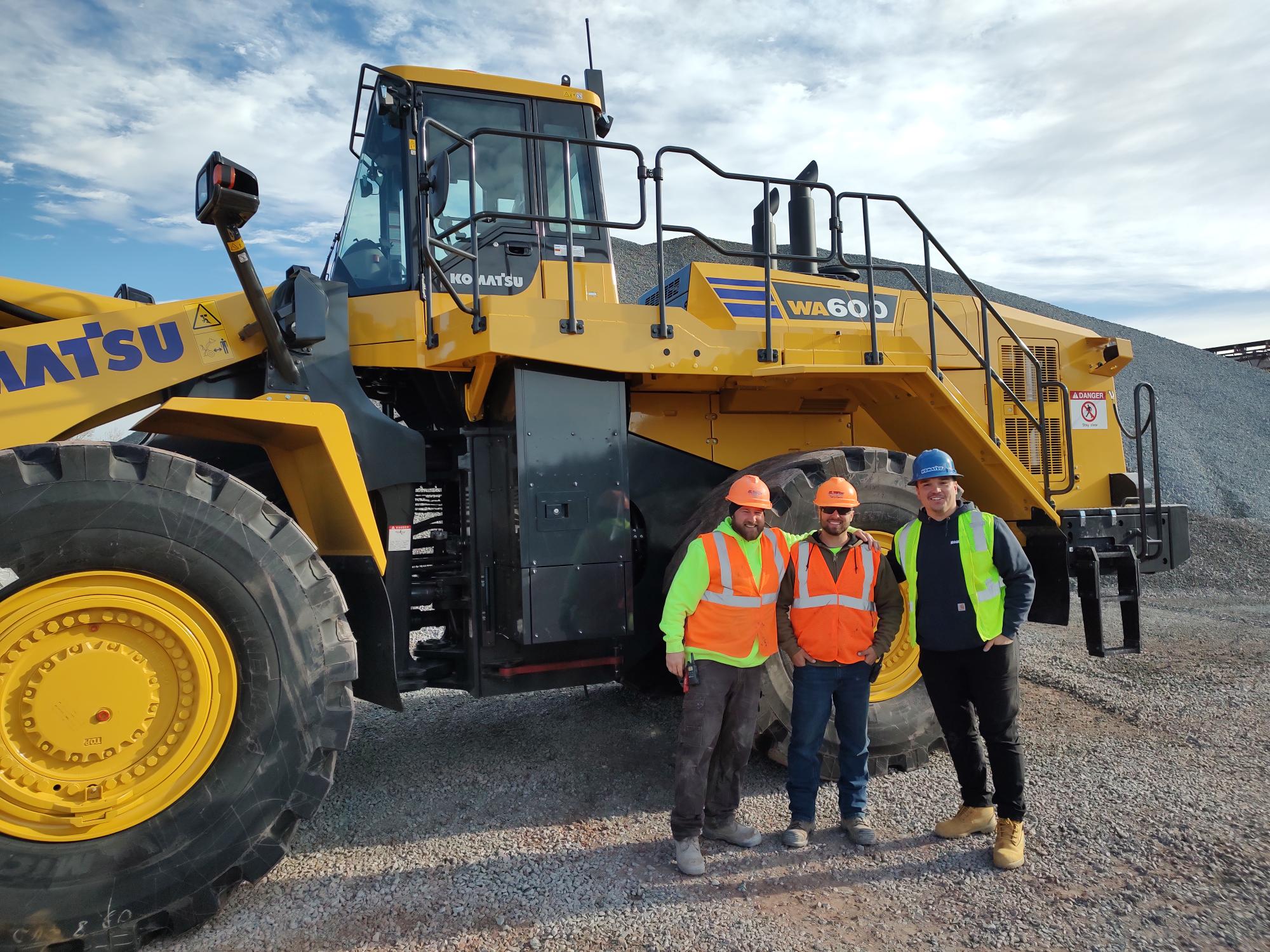
For a 102-year-old company, Peckham Industries continues to evolve in an industry where consistency, safety, and leadership are nonnegotiable. For Plant Manager Rick Engelhardt, moving a legacy construction company forward starts with something simple but often misunderstood: discipline.
Peckham, a family-owned construction and materials company serving New York and New England for over 102 years, has built its reputation on long-term thinking and operational excellence. But as Engelhardt explains, sustaining that legacy requires more than tradition. It demands a deliberate focus on people, process, and culture.
Discipline as the Foundation
For Engelhardt, discipline is not about intensity or short bursts of effort. It is about consistency over time. He draws a direct connection between the two, arguing that discipline without consistency is incomplete.
That mindset shows up in how he structures his own day. Repetition, routine, and prioritization are not signs of stagnation. They are the systems that allow leaders to perform at a high level without distraction. By focusing on what matters most first and eliminating unnecessary noise, Engelhardt believes individuals and teams can make meaningful progress.
This philosophy also extends to how organizations grow. Rather than spreading attention across too many initiatives, he emphasizes depth over breadth. Real gains, he says, come from sustained focus. In an industry where margins are tight and execution matters, that level of discipline becomes a competitive advantage.
Leadership That Scales
As Peckham has surpassed the 100-year milestone, leadership development has become a central priority. Engelhardt points to structured leadership practices as a key driver of scalability.
One of the most effective tools is what he describes as leadership standard work. This framework creates alignment between leaders and their teams by clearly defining priorities across daily, weekly, and long-term timeframes. It is not about adding more tasks. It is about ensuring that the right work is consistently getting done.
By formalizing expectations, leaders are better equipped to stay focused, measure performance, and adapt when necessary. This structure also creates accountability across the organization, reinforcing a culture where execution is just as important as strategy.
Equally important is identifying and developing talent from within. Engelhardt stresses that untapped potential is one of the greatest forms of waste in any organization. Investing in people, promoting from within, and recognizing leadership traits early are critical to building a sustainable pipeline of future leaders.
Building a Culture of Safety
In construction and manufacturing, safety is not just a priority. It is a responsibility. For Engelhardt, creating a strong safety culture goes beyond compliance and checklists.
It starts with engagement. Employees must feel ownership over their environment and understand the impact of their actions on their coworkers. That level of accountability is built through trust, communication, and consistent reinforcement from leadership.
Peckham’s long-standing presence in the industry reflects a commitment to both operational excellence and community impact. From infrastructure advocacy to ongoing investments in efficiency and sustainability, the company continues to adapt while maintaining its core values.
Safety, in this context, becomes part of a broader cultural framework. It is embedded in how decisions are made, how teams operate, and how success is defined.
Moving a Legacy Forward
For a company with deep roots, the challenge is not just preserving what has worked. It is evolving without losing its identity. Engelhardt sees this as a balance between tradition and innovation.
Discipline provides the foundation. Leadership creates alignment. Safety ensures sustainability. Together, these elements form the backbone of an organization that is built to last.
As Peckham Industries looks toward its next century, the path forward is not defined by radical change. Instead, it is driven by a commitment to doing the fundamentals exceptionally well, every single day.
