

Extreme Ownership in the Trades: What Real Leadership Looks Like
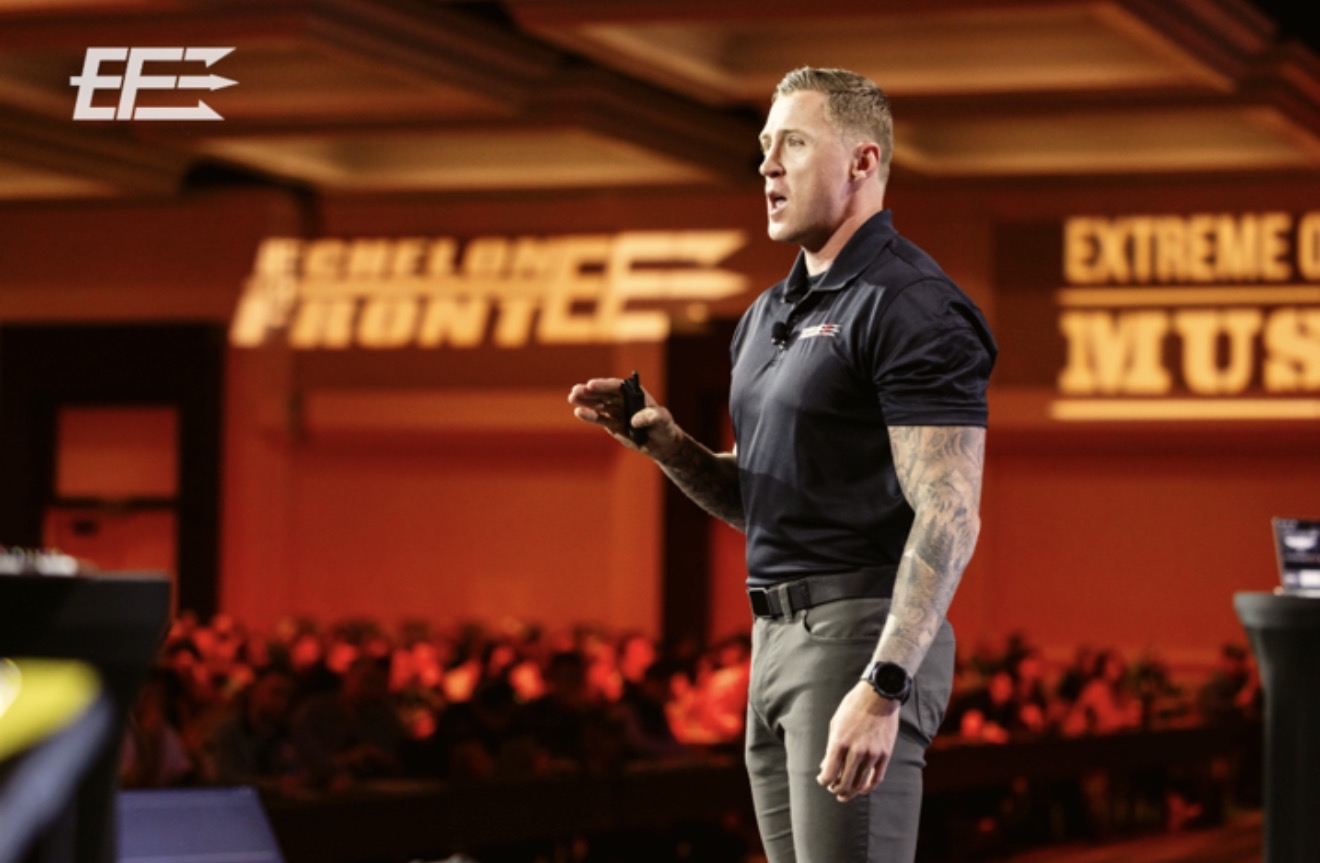
In the world of blue-collar business, leadership is often mistaken for authority. Titles, promotions, and experience are seen as the markers of who is in charge. But according to Codey Gandy, that mindset is exactly where most teams go wrong.
Gandy, a former U.S. Marine and now Director of Experiential Training at Echelon Front, has built his career teaching leadership principles rooted in real-world experience. Those principles, forged in high-stakes environments, are now applied to businesses of all kinds, including the trades, where leadership gaps can directly impact performance, culture, and safety.
Leadership Is Not a Title
One of the most consistent themes in Gandy’s message is simple: leadership is not authority. It is influence.
In many trade businesses, the best technician or most experienced worker is promoted into a leadership role. But as Gandy explains, skill does not automatically translate to leadership ability. Too often, individuals are expected to lead without ever being taught how.
This creates a common breakdown. A highly skilled worker becomes a manager overnight, only to struggle with communication, accountability, and team development. The result is frustration on both sides, with leaders feeling unsupported and teams feeling disconnected.
Gandy’s perspective reframes leadership entirely. It is not about being in charge. It is about how effectively you can influence the people around you to perform, improve, and take ownership themselves.
The Core Principle: Extreme Ownership
At the center of Echelon Front’s philosophy is the concept of extreme ownership. The idea is straightforward but difficult to execute. Every outcome, whether success or failure, is the responsibility of the individual.
This principle challenges a natural human tendency to blame external factors. In the trades, it is easy to point to employees, timelines, customers, or market conditions as the cause of problems. But extreme ownership shifts that mindset inward.
According to Echelon Front’s training approach, taking ownership creates control. When leaders accept responsibility, they gain the ability to change outcomes, solve problems, and improve systems.
That shift is particularly powerful in blue-collar environments, where results are tangible and immediate. A missed deadline, a safety issue, or a poor job outcome cannot be hidden. Ownership forces leaders to confront those realities and act.
Relationships Over Authority
Another key takeaway from Gandy’s approach is the importance of relationships. In many trade businesses, leadership defaults to command and control. Instructions are given, expectations are set, and consequences are enforced.
While that may produce short-term compliance, it rarely creates long-term buy-in.
Gandy emphasizes that real leadership is built on trust and respect. When leaders invest in their people, understand their challenges, and demonstrate that they care, performance improves naturally. Employees are more likely to take initiative, hold themselves accountable, and align with the team’s goals.
This is especially critical when dealing with underperforming team members. Rather than immediately resorting to discipline, effective leaders focus on building connection first. From there, they can correct behavior in a way that drives lasting change instead of temporary compliance.
Why the Trades Need Better Leadership Training
One of the biggest challenges in the trades is the lack of formal leadership development. Unlike corporate environments, where management training is often built into career paths, many trade professionals are left to figure it out on their own.
Echelon Front addresses this gap through experiential training programs that place participants in high-pressure, real-world scenarios. These exercises are designed to reveal leadership tendencies and reinforce the principles of extreme ownership through action, not theory.
This hands-on approach mirrors the realities of the trades. Job sites are dynamic, unpredictable, and often stressful. Leaders must make decisions quickly, communicate clearly, and adapt in real time. Training that reflects those conditions is far more effective than traditional classroom instruction.
A Shift in Mindset
Ultimately, Gandy’s message is not about tactics or quick fixes. It is about a fundamental shift in mindset.
Leadership is not something granted by a title. It is something earned through consistent action, accountability, and influence. It requires humility, discipline, and a willingness to take responsibility, even when it is uncomfortable.
For trade business owners, managers, and aspiring leaders, the takeaway is clear. If something is not working, the first place to look is inward. That is where real change begins.
And in an industry where execution matters, that mindset can be the difference between a team that struggles and one that performs at a high level.
