

From 250 to 5,000 Reviews: An HVAC Masterclass
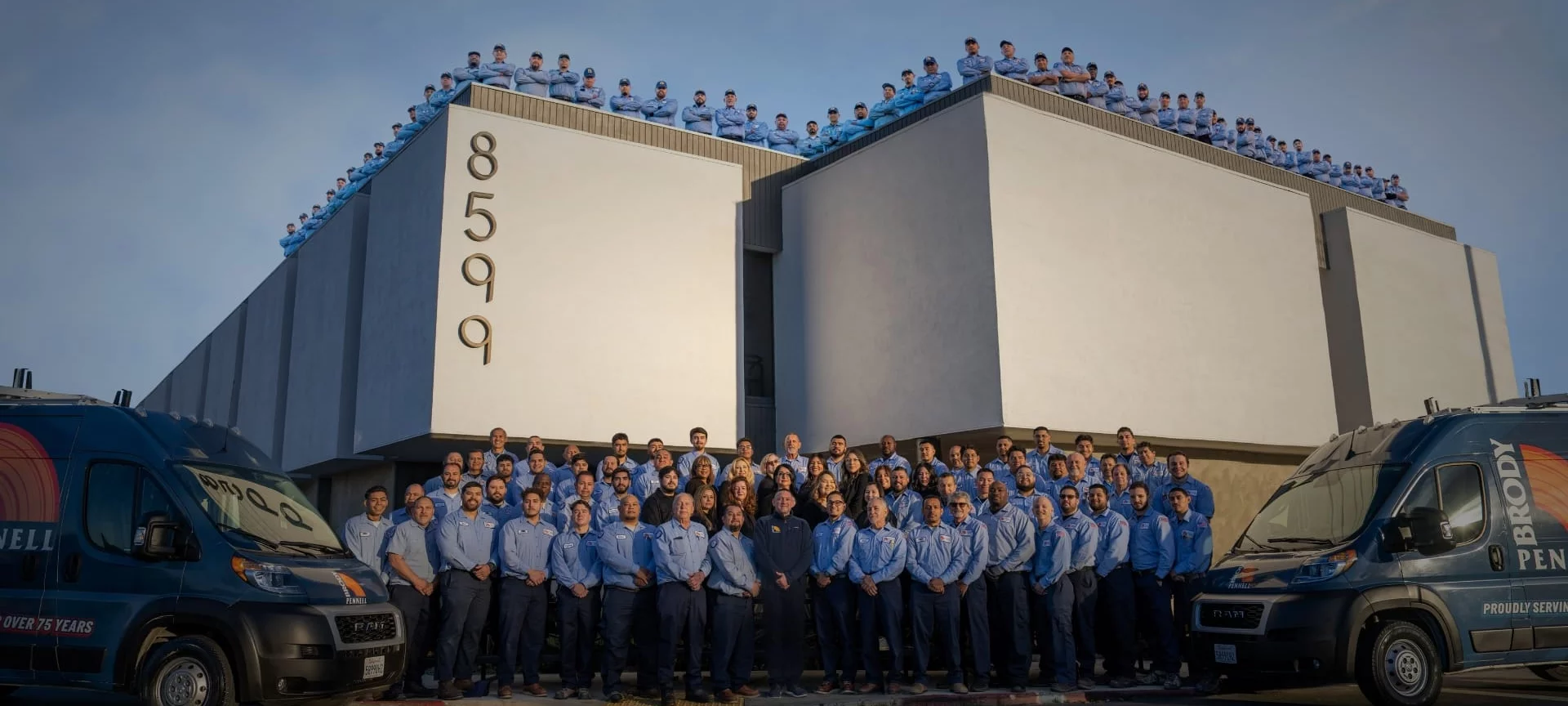
In the highly competitive and often fractured Los Angeles market, standing out as a home service provider requires more than just technical proficiency. Lawrence Castillo is the president of a portfolio of heating, air conditioning, and plumbing companies, including the flagship brand Brody Pennell HVAC. An 81-year-old business acquired by Castillo and his partners just five and a half years ago, Brody Pennell has transformed into an industry powerhouse despite the ongoing influx of private equity competitors. Their strategy for sustainable blue-collar growth is deeply rooted in customer experience, strategic recruiting, and operational accountability.
Building a Foundation on Customer Experience
The core of their growth strategy revolves around reputation management and delivering an exceptional customer experience. When Castillo acquired the company, it had been operating for over seven decades but only had 250 Google reviews. Today, the company boasts 5,000 five-star reviews. This massive increase was not accidental. The leadership team instituted a highly structured campaign, setting key performance indicators for technicians to gather reviews and rewarding them for their success.
Generating this level of organic feedback significantly reduced the company’s reliance on paid advertising. Castillo notes that acquiring a single customer can cost hundreds of dollars through traditional pay-per-click marketing. However, organic search visibility through overwhelmingly positive reviews makes the phone ring naturally, effectively lowering customer acquisition costs and stabilizing the business.
Hiring Communicators Instead of Just Mechanics
To ensure every service call is worthy of a five-star rating, the company completely revolutionized its hiring process. Initially, leadership noticed that traditional trade school graduates often lacked the necessary interpersonal skills to build trust with homeowners. Trade schools in Southern California typically require ten months of education and cost students a significant amount of money, yet they primarily produce mechanics rather than communicators.
In response, Castillo’s team launched its own internal training academy. Instead of trying to teach trained mechanics how to be good communicators, they started hiring excellent communicators and teaching them to be skilled technicians. They advertise training classes and regularly receive thousands of resumes for just a handful of open positions. This approach ensures that every technician acting as the face of the brand is fully immersed in the company culture before they ever run a service call independently.
Securing Stability with Service Agreements
Another crucial pillar of their expansion is a heavy focus on existing customers. In the home services industry, relying solely on emergency repair calls is a volatile strategy, especially in Southern California, where weather patterns are notoriously mild. Castillo shifted the focus toward securing recurring service agreements.
Technicians spend ample time in the home, sometimes up to two hours, serving as educators rather than just order takers. By educating homeowners on the importance of maintaining heavy mechanical equipment, technicians build a loyal customer base that requires bi-annual service visits. This built-in work provides a vital security blanket that keeps technicians busy during off-peak seasons and allows the business to scale predictably.
Committing to Agent of Change Leadership
Ultimately, scaling a home service startup or legacy brand requires proactive management and emotional intelligence. Castillo advises business owners to take the emotion out of their decision-making processes. Furthermore, owners must stop using a lack of talent as an excuse for stagnation. By hiring dedicated recruiting coordinators and prioritizing daily training, any company can swap out underperforming staff and scale effectively. Success in the trades comes down to deciding what kind of brand you want to represent and holding your team accountable to that standard every single day.
Frequently Asked Questions
Leadership instituted a highly structured, accountable campaign that set specific Key Performance Indicators (KPIs) for technicians to gather customer reviews. By incentivizing and rewarding their staff for these successes, the company turned excellent in-home service into visible digital credibility.
Yes, dramatically. While acquiring a single new customer through traditional pay-per-click advertising can cost hundreds of dollars, overwhelming organic search visibility (driven by thousands of positive reviews) makes the phone ring naturally, stabilizing the business and slashing ad spend.
Because excellent communication builds the trust required for a five-star customer experience. Rather than trying to teach seasoned mechanics how to be personable, forward-thinking home service brands are hiring excellent communicators and putting them through internal training academies to teach them the technical trade skills.
Recurring service agreements provide a vital security blanket of guaranteed, built-in work. Instead of relying solely on volatile emergency repair calls—which fluctuate heavily with the weather—bi-annual maintenance visits keep technicians busy year-round and allow the business to scale predictably.
